
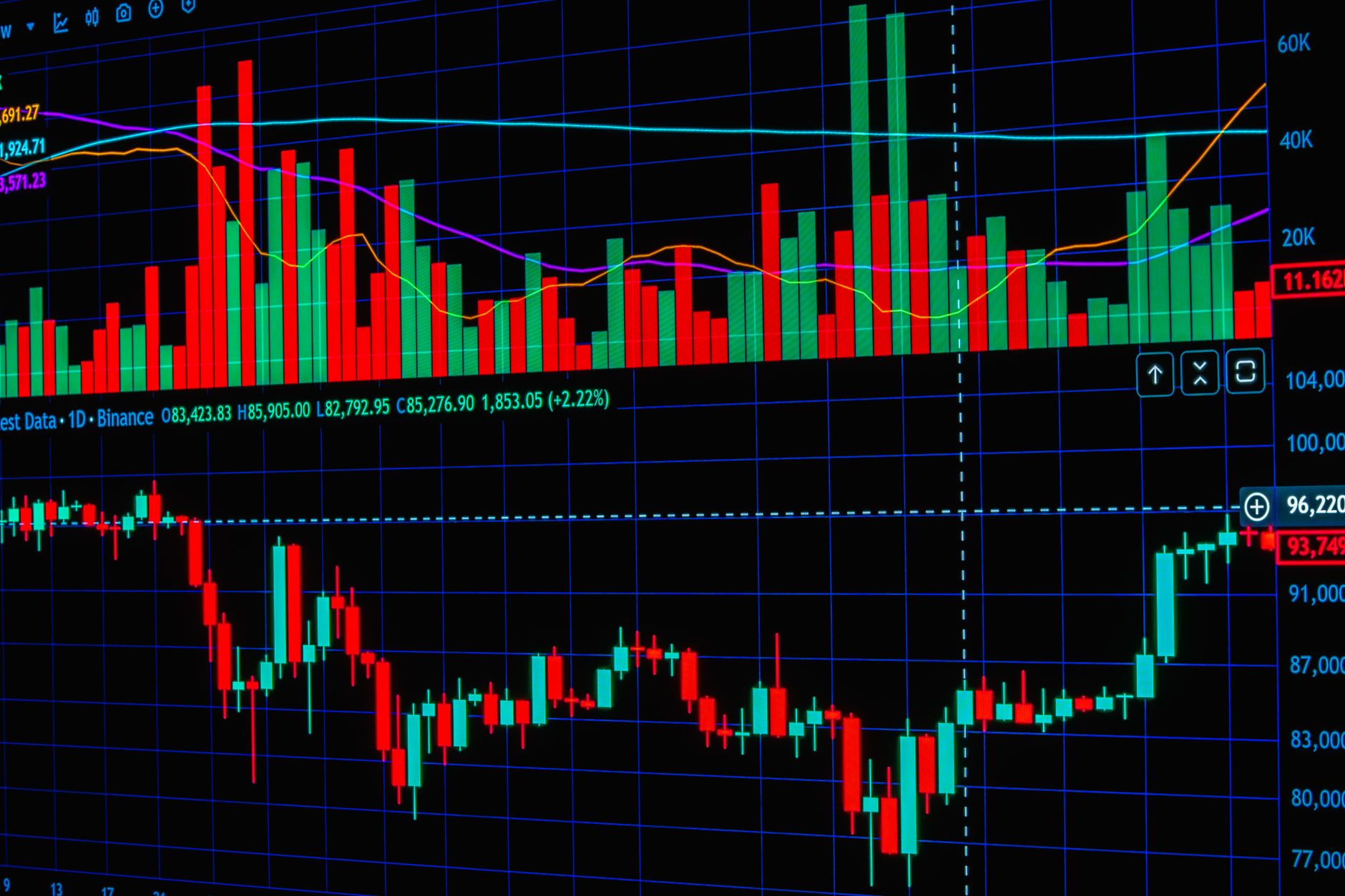
Nifty falls below 28900, signaling a significant downturn in the market. This decline raises concerns among investors and analysts alike about the underlying factors contributing to this drop.
Understanding the Nifty Decline
The recent decline in the stock market has left investors concerned, as the Nifty falls below 28900 for the first time in recent weeks. Several factors have contributed to this downturn, prompting analysts to evaluate the underlying reasons.
- Global Economic Concerns: Heightened fears regarding a potential global recession have weighed on investor sentiment. As central banks around the world signal tightening monetary policies, uncertainty continues to loom.
- Domestic Inflation: Rising inflation rates in the country have prompted worries about the potential impact on corporate profitability. As costs increase, companies may struggle to maintain their margins, leading to lower stock valuations.
- Profit Booking: After a period of significant gains, many investors are choosing to book profits. This has resulted in increased selling pressure, further contributing to the Nifty’s decline.
In conclusion, as the Nifty falls below 28900, it is crucial for investors to stay informed about these developments. Understanding the reasons behind market fluctuations can help navigate these challenging times.
Key Factors Behind Market Drop
The recent decline in the stock market, particularly the Nifty falling below 28900, can be attributed to several key factors that have caused investor concern.
- Global Economic Uncertainty: Ongoing geopolitical tensions and fluctuating economic conditions around the world have led to a cautious approach among investors. Market participants are closely monitoring developments in major economies, which has resulted in heightened volatility.
- Interest Rate Hikes: Expectations of interest rate increases by central banks globally have contributed to the market downturn. Higher borrowing costs can dampen consumer spending and business investments, prompting investors to reassess their positions.
- Weak Corporate Earnings: Recent earnings reports from several major companies have fallen short of expectations, raising concerns about the overall health of the economy. This has led to a reevaluation of stock valuations, prompting sell-offs in various sectors.
Together, these factors have created a challenging environment for the Nifty, resulting in its drop below 28900, as investors weigh the implications for future market performance.
Impact on Investors and Traders
The recent decline of the Nifty, which has fallen below 28900, has sent ripples through the investment community, raising concerns among both investors and traders. The impact of this downturn is multifaceted and varies based on individual strategies and risk tolerance.
For long-term investors, this decline may present an opportunity to buy quality stocks at discounted prices. Many seasoned investors believe that market corrections can lead to favorable entry points. However, they must also be cautious, as prolonged downturns can erode portfolio values.
Traders, on the other hand, are generally more reactive to short-term market movements. The drop below 28900 may trigger a wave of sell-offs as traders look to cut losses or capitalize on volatility. This could exacerbate market fluctuations and lead to further declines if panic sets in.
Moreover, market sentiment plays a crucial role in shaping investor behavior. A dip below significant psychological levels, like 28900, often influences trading strategies and leads to increased caution among market participants.
Understanding these dynamics is essential for making informed decisions during such turbulent times.
Historical Context of Market Fluctuations
The recent decline of the Nifty falls below 28900 has drawn attention from analysts and investors alike. To understand the current market scenario, it is essential to consider the historical context of market fluctuations. Over the years, the Indian stock market has experienced several ups and downs, influenced by a variety of economic, political, and global factors.
Historically, significant drops in indices like the Nifty are often preceded by periods of uncertainty. For instance:
- Global Economic Trends: Market fluctuations can be traced back to changes in international economies, such as trade tensions or recessions in major economies.
- Political Events: Elections, policy changes, and geopolitical tensions have historically led to volatility in the Indian markets.
- Sector-Specific Challenges: Issues within key sectors, such as banking or technology, can trigger broader market declines.
Understanding these historical patterns provides insight into the current market decline and helps investors navigate the complexities of stock trading in turbulent times.
Future Outlook for Nifty and Sensex
The recent decline in the Nifty index, now falling below 28,900, raises questions about the future trajectory of the index and its impact on the broader Sensex. Analysts suggest that the current market volatility is not only a reflection of immediate economic conditions but also a response to global market trends.
Several factors are likely to shape the future outlook for both the Nifty and Sensex:
- Global Economic Conditions: The ongoing geopolitical tensions and interest rate hikes in major economies could lead to further fluctuations in market sentiments.
- Domestic Economic Indicators: Key indicators such as inflation rates and consumer spending will play a crucial role in determining the future performance of the indices.
- Investor Sentiment: As investors react to market changes, their confidence levels will significantly influence trading patterns in the coming weeks.
While the current dip below 28,900 may cause unease among investors, it is essential to adopt a long-term perspective. Historical patterns suggest that markets can rebound, provided there are positive signals in the economic landscape.
The recent market volatility has raised concerns among investors, especially as Nifty falls below 28900. Analysts attribute this decline to a combination of global economic factors and domestic policy uncertainties.
As Nifty falls below 28900, many are questioning the sustainability of the current market rally and looking for signs of recovery.
Photo by Rafael Minguet Delgado on Pexels
Where this came from
You might also like
Bitcoin ETF Inflows: Proven Strategies for Smart Investors · Casey’s Earnings Report: Best Estimates for Investors · Om Galaxy IPO: Is It the Best Investment Opportunity?