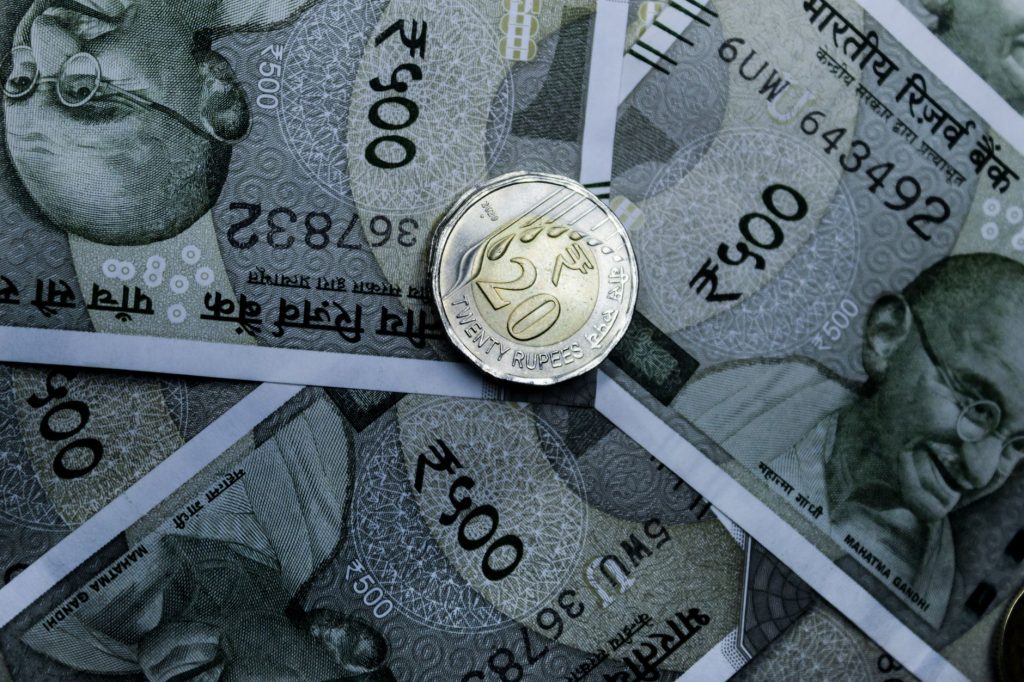
RBI rate cuts are not on the horizon as inflation forecasts rise to 4.4%. This decision indicates a tightening bias that could impact borrowers significantly.
Understanding RBI’s Decision on Rate Cuts
The Reserve Bank of India (RBI) has recently addressed its stance on monetary policy, causing significant concern among borrowers. Following a rise in core inflation forecasts to 4.4%, the RBI has ruled out any imminent rate cuts. This decision emphasizes a tightening bias in their approach, signaling that lower borrowing costs may not be on the horizon.
The implications of this decision are profound for those seeking loans or mortgages. With inflationary pressures on the rise, the RBI is prioritizing price stability over stimulating economic growth through lower interest rates. As a result, borrowers may face higher costs of borrowing in the near future, leading to increased monthly repayments.
Key factors influencing the RBI’s decision include:
- Inflation Rates: Sustained inflation above the RBI’s target can lead to higher interest rates.
- Economic Indicators: A robust economy may demand tighter monetary policy to prevent overheating.
- Global Factors: International economic conditions also play a crucial role in shaping domestic monetary policy.
For borrowers, these developments regarding RBI rate cuts serve as a reminder of the volatility in financial markets, urging them to reassess their financial strategies in light of potential rising costs.
Impact of Inflation on Borrowers
The recent decisions by the Reserve Bank of India (RBI) regarding rate cuts have significant implications for borrowers. As inflation continues to rise, many borrowers find themselves in a precarious situation. With core inflation forecasted to reach 4.4%, the RBI’s reluctance to implement any rate cuts in the near term is troubling for those with existing loans.
A higher inflation rate leads to increased costs of goods and services, which can strain household budgets. Borrowers are often left juggling multiple financial commitments, with rising interest rates only adding to their burden. The RBI rate cuts, once seen as a relief option, are now viewed with skepticism as inflation pressures mount.
Several factors contribute to this scenario:
- Increased Living Costs: Essential commodities such as food and fuel have seen significant price hikes.
- Higher Borrowing Costs: With the RBI maintaining a tightening bias, lenders are likely to keep interest rates elevated.
- Future Financial Planning: Borrowers face uncertainty in budgeting for loans and other expenses.
In this environment, borrowers must be vigilant and proactive in managing their finances, as the outlook remains challenging with the prospect of RBI rate cuts diminishing.
What This Means for Future Interest Rates
The recent announcements from the Reserve Bank of India (RBI) regarding rate cuts have left many borrowers concerned about the future of interest rates. With the RBI ruling out any immediate rate cuts due to rising core inflation forecasts, the landscape for borrowers is likely to become more challenging.
This decision indicates that the central bank is prioritizing stability over immediate relief, as it seeks to manage inflationary pressures effectively. As a result, borrowers may face higher interest rates for an extended period. The implications of this are significant:
- Increased Borrowing Costs: With no RBI rate cuts on the horizon, the cost of loans is expected to rise, impacting personal loans, mortgages, and business financing.
- Slower Economic Growth: Higher interest rates may lead to decreased consumer spending and investment, potentially slowing down economic recovery.
- Future Uncertainty: Borrowers will need to brace for fluctuating rates, making financial planning more challenging.
In conclusion, the RBI’s stance on rate cuts suggests a tightening bias that could significantly reshape the borrowing environment. For those relying on loans, understanding these dynamics will be crucial for navigating the financial landscape ahead.
Economic Outlook Amid Tightening Bias
The economic outlook remains challenging as the Reserve Bank of India (RBI) has adopted a tightening bias, ruling out any potential RBI rate cuts in the near future. This decision is primarily driven by the rising core inflation, which is forecasted to hit 4.4%. Such predictions suggest that the RBI is wary of making any moves that could further complicate the inflation scenario.
In light of these developments, borrowers must brace themselves for a prolonged period of high-interest rates. The tightening bias indicates that the RBI is prioritizing inflation control over economic growth, meaning that potential rate cuts are unlikely to materialize anytime soon.
Key factors influencing this economic outlook include:
- Core Inflation Trends: Persistent inflation pressures are a significant concern for the RBI.
- Global Economic Conditions: Uncertainties in international markets may contribute to domestic inflationary pressures.
- Policy Adjustments: The RBI may implement further measures to combat inflation, which can affect borrowing costs.
As borrowers face these realities, the focus remains on navigating a financial landscape that is increasingly shaped by the RBI’s decisions regarding rate cuts and inflation management.
The RBI rate cuts have raised concerns among borrowers, as they may signal a tightening of lending conditions. Many fear that the RBI rate cuts could lead to higher interest rates in the long run, making it more challenging to manage existing debts.