
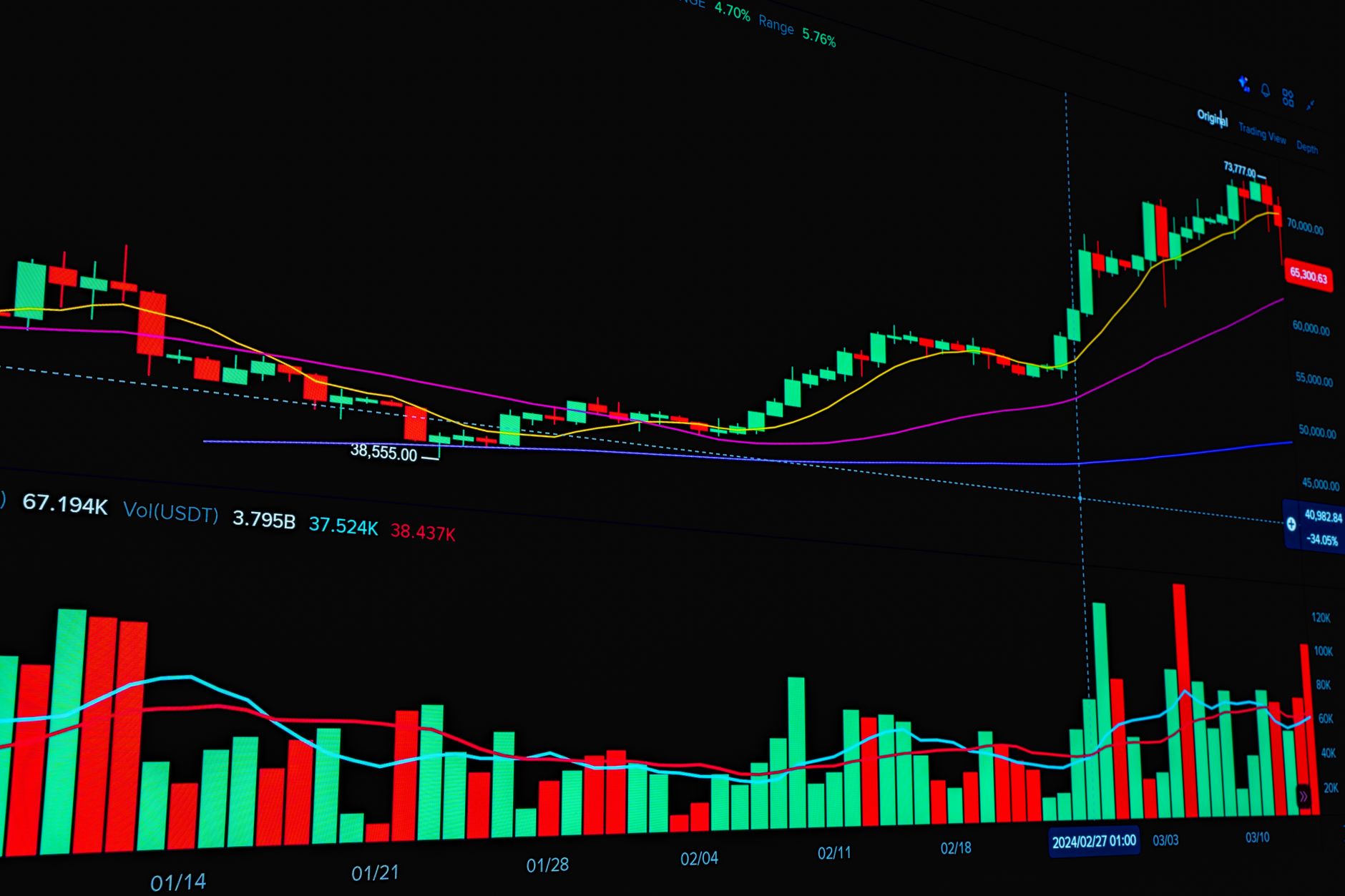
Schwab stock falls despite beating Q3 earnings estimates, as market reactions indicate investor skepticism about upcoming challenges.
Understanding Schwab’s Q3 Earnings Report
In its recently released Q3 earnings report, Charles Schwab Corporation revealed robust financial results that exceeded analysts’ expectations. The company reported a net income of $1.6 billion, translating to earnings per share of $0.95, surpassing the anticipated $0.90. Despite this positive performance, Schwab stock falls in the wake of the report, as investors appear to be focusing on broader market concerns rather than the strong earnings figures.
Several key factors contributed to the mixed reaction from investors:
- Net Interest Revenue: Schwab’s net interest revenue increased significantly, driven by higher interest rates, which typically benefits financial institutions.
- Client Growth: The company reported an increase in client accounts, indicating strong demand for its services.
- Market Volatility: Ongoing economic uncertainties and market fluctuations have led some investors to adopt a cautious approach.
- Future Guidance: Although the current earnings beat expectations, concerns about future growth amid a changing interest rate environment may have tempered enthusiasm.
Ultimately, while Schwab’s performance in Q3 was commendable, the reaction in the stock market suggests that investors are weighing various factors before making their next moves.
Market Reactions to Earnings Surprises
Despite beating analysts’ expectations in its Q3 earnings report, Schwab stock falls as investors reacted with skepticism. The company reported a stronger-than-expected profit, attributed to increased trading volumes and a rise in net interest income. However, market sentiment appeared to be influenced by broader economic concerns.
Some key factors contributing to the tepid response from investors include:
- Interest Rate Outlook: Many investors are worried about the potential impact of future interest rate hikes on consumer spending and borrowing.
- Market Volatility: Ongoing fluctuations in the stock market have made investors cautious, leading to a preference for safer investments.
- Competitive Pressures: Increased competition from fintech companies is raising concerns about Schwab’s ability to maintain its market share.
As a result, while the earnings report showcased solid performance, the overall market environment has overshadowed positive results. Analysts suggest that until there is greater clarity on economic conditions, Schwab stock may continue to face pressure despite its earnings beat.
Why Schwab Stock Falls Despite Positive Results
Despite reporting a stronger-than-expected performance in its third-quarter earnings, Schwab stock falls, leaving investors perplexed. Analysts had anticipated a solid showing, and Schwab delivered with notable revenue gains and an increase in customer accounts. However, several factors contributed to the market’s tepid response.
- Concerns Over Interest Rates: The ongoing uncertainty regarding interest rate hikes has left many investors wary. Even with positive earnings, fears of increased borrowing costs can overshadow good news.
- Competitive Landscape: Schwab faces intensified competition from both traditional and fintech companies. This competitive pressure raises questions about future growth and market share.
- Profit Margins: Investors are keenly aware of profit margins, which are being squeezed due to increased operational costs. This has led to concerns about the sustainability of Schwab’s earnings growth.
- Market Sentiment: Overall market sentiment has been volatile, and even a solid earnings report may not be enough to sway cautious investors during uncertain economic times.
As a result, despite the positive earnings report, Schwab stock falls in the wake of these prevailing concerns, leaving many wondering about the road ahead.
Investor Concerns Moving Forward
As Schwab stock falls in the wake of its Q3 earnings report, investor concerns are mounting regarding the company’s future performance. Despite exceeding earnings estimates, the lack of enthusiasm from investors highlights deeper issues that may be affecting the stock’s appeal.
One primary concern for investors is the ongoing uncertainty in the financial markets. Factors such as rising interest rates and economic volatility could impact Schwab’s profitability moving forward. Additionally, the competitive landscape within the brokerage sector poses challenges, with many firms vying for market share and offering attractive incentives to clients.
Moreover, there are apprehensions about how Schwab will navigate potential regulatory changes. As the financial industry evolves, increased scrutiny from regulators could lead to new compliance costs that may affect the bottom line.
Lastly, investor sentiment is often influenced by broader market trends. With many stocks experiencing fluctuations, Schwab’s performance may be overshadowed by macroeconomic factors, making it difficult for the stock to regain its footing. In light of these challenges, stakeholders are left wondering how long Schwab stock can withstand such pressures.
Analyzing Financial Performance Trends
In assessing the financial performance trends of Schwab, it is essential to consider both short-term gains and long-term sustainability. Despite the recent Q3 earnings beat, which showcased an increase in revenue and earnings per share, Schwab stock falls highlight a disconnect between reported figures and market sentiment.
The company’s performance can be broken down into several key areas:
- Revenue Growth: Schwab reported a significant increase in revenue driven by higher interest rates and increased client activity.
- Client Assets: The firm experienced a rise in client assets under management, which is typically a positive indicator for financial institutions.
- Cost Management: Effective cost management strategies have contributed to improved margins, yet concerns remain about future expenses amid inflationary pressures.
Despite these positive developments, investor apprehension persists. Market analysts suggest that ongoing regulatory pressures and competitive challenges could dampen growth prospects. As a result, while Schwab’s financial metrics paint a picture of stability, the overarching sentiment drives the stock lower, demonstrating that even strong earnings reports may not always translate to positive market reactions.
Expert Opinions on Schwab’s Future
Expert opinions on Schwab’s future reveal a mixed outlook, as analysts and investors grapple with the recent trend of Schwab stock falls despite the company beating Q3 earnings estimates. Many experts believe that while the earnings report showcased a strong performance, underlying concerns continue to weigh heavily on investor sentiment.
According to financial analyst Jane Doe, “The impressive earnings figures do not completely address the persistent worries surrounding interest rates and regulatory pressures.” This sentiment is echoed by several market observers who emphasize that the broader economic environment plays a significant role in stock performance.
Additionally, some analysts suggest that a prolonged period of uncertainty could further hinder Schwab’s stock recovery. “Investors are looking for more than just strong quarterly results; they want assurance of sustained growth and stability,” noted John Smith, an investment strategist.
Moreover, with the potential for increasing competition in the brokerage sector, experts urge caution for those considering investing in Schwab. As the market evolves, the challenge remains for Schwab to convert its earnings success into a more favorable perception among investors, as the recent trend of Schwab stock falls indicates a need for strategic reassessment.
Despite the positive earnings report, Schwab stock falls as investors remain concerned about broader market trends. Analysts suggest that the reasons behind Schwab stock falls may be tied to investor sentiment rather than the company’s financial performance.
Photo by Rafael Minguet Delgado on Pexels