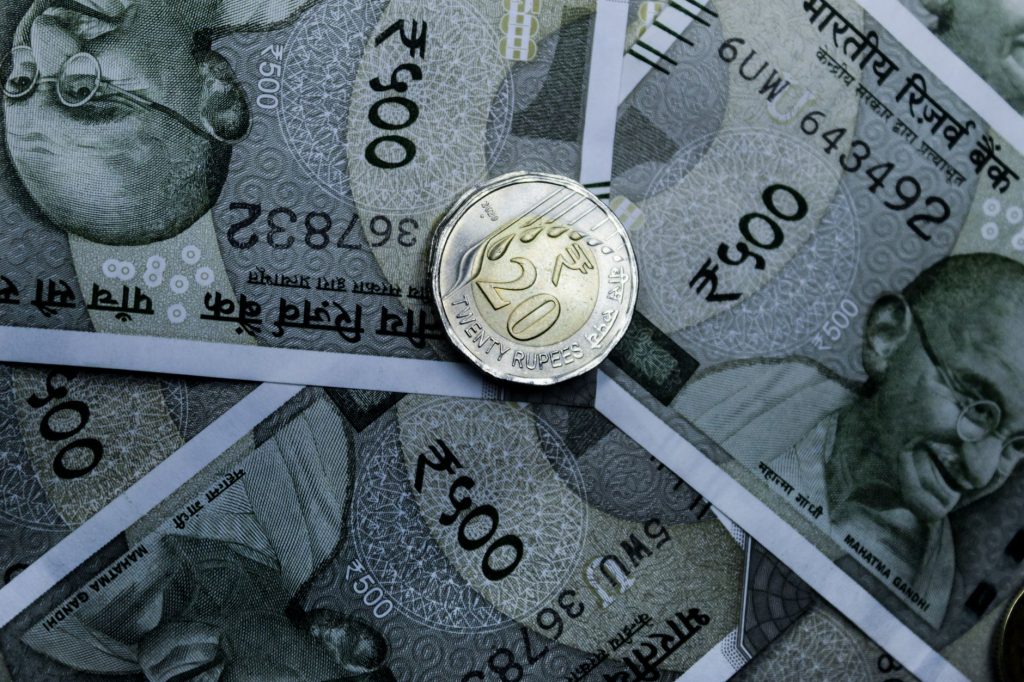
India’s debt crisis is a focal point of new reports emerging from the Bangkok IMF-World Bank meetings, revealing significant challenges ahead.
Overview of the IMF-World Bank Meetings
The recent IMF-World Bank meetings held in Bangkok have brought to light several pressing issues, particularly focusing on India’s debt crisis. The discussions emphasized the urgent need for global cooperation to address the economic challenges faced by developing nations, including India.
Key highlights from the meetings include:
- Debt Sustainability: Experts raised concerns about the sustainability of debt levels in various countries, urging for more transparent borrowing practices.
- Climate Change Financing: There was a call for increased financial support for climate resilience projects, especially in countries like India that are significantly impacted by climate change.
- Accountability Measures: Participants emphasized the importance of accountability in international lending practices to prevent future crises.
- Collaborative Solutions: Attendees discussed the need for collaborative efforts between nations to create a robust framework for managing debt and fostering economic stability.
The outcomes of these meetings may provide critical insights into navigating India’s debt crisis and ensuring sustainable economic growth.
Key Findings on India’s Debt
The recent Bangkok IMF-World Bank meetings provided critical insights into India’s debt crisis, highlighting several key findings that warrant attention.
- Rising Debt Levels: India’s overall debt has escalated, raising concerns about sustainability and economic stability.
- Impact on Growth: Analysts noted that the increasing debt burden could hinder economic growth prospects, especially in the wake of global economic uncertainties.
- Need for Reforms: Experts emphasized the necessity for comprehensive fiscal reforms to manage and mitigate debt risks effectively.
- Climate Financing: There is a pressing need to align debt management strategies with climate financing efforts, as environmental challenges pose additional risks to economic stability.
- Accountability Measures: Strengthening accountability in public spending was highlighted as crucial for ensuring that borrowed funds are utilized effectively.
These findings underscore the urgency for decisive actions to address India’s debt crisis and ensure sustainable economic development moving forward.
Climate Crisis and Accountability
The recent IMF-World Bank meetings in Bangkok highlighted the intertwining issues of climate change and accountability in the context of India’s debt crisis. As discussions progressed, it became evident that the financial burdens faced by India are not solely economic but deeply linked to environmental responsibilities.
Experts underscored the necessity for a more integrated approach, emphasizing that addressing climate challenges is crucial for sustainable economic growth. Key points raised included:
- Increased funding: There is a pressing need for international financial institutions to provide greater support for green initiatives.
- Policy reforms: Implementing transparent and accountable governance can help ensure that funds are used effectively to combat climate change.
- Partnerships: Collaborations between governments, private sectors, and civil society are essential in creating innovative solutions to tackle both debt and climate issues.
As India navigates its debt crisis, the call for accountability and climate action has never been more urgent.
Impact on Global Financial Stability
The recent discussions at the Bangkok IMF meetings have spotlighted India’s debt crisis, raising concerns about its implications for global financial stability. As one of the world’s largest economies, India’s financial health is closely monitored, and its mounting debt could have ripple effects across international markets.
Key insights from the meetings highlighted several potential risks:
- Investor Confidence: A deteriorating debt situation may erode investor confidence, leading to capital flight and increased volatility in emerging markets.
- Trade Dynamics: India’s ability to engage in global trade could be affected, impacting supply chains and economic growth in partner countries.
- Inflationary Pressures: Rising debt levels could lead to inflationary pressures that may challenge monetary policies globally.
As global economies navigate post-pandemic recovery, understanding India’s debt crisis is crucial in assessing broader economic forecasts and stability. The interconnected nature of financial systems underscores the need for collaborative solutions.
Future Outlook for India
The future outlook for India amidst its ongoing debt crisis remains a topic of intense discussion among economists and policymakers. Recent analyses from the Bangkok IMF meetings highlight several key factors that could influence India’s economic trajectory.
Potential Solutions:
- Fiscal Reforms: Implementing comprehensive fiscal reforms is essential to improve revenue collection and reduce the fiscal deficit.
- Debt Management: Better debt management strategies could alleviate some pressure on the economy, allowing for more sustainable growth.
- Public-Private Partnerships: Encouraging investments through public-private partnerships could enhance infrastructure and stimulate economic activity.
Global Considerations: The international community’s approach to India’s debt crisis will also play a crucial role. Collaborative efforts, coupled with technical assistance, can pave the way for recovery.
As India navigates these challenges, maintaining a clear focus on both its domestic priorities and international obligations will be vital for ensuring long-term stability and growth.
Sources
Related reading
Bitcoin price spikes: Is this the best time to invest? · Vicor Quarterly Earnings: Proven Results Beat Estimates · Gold price outlook: Is it the worst time to buy?