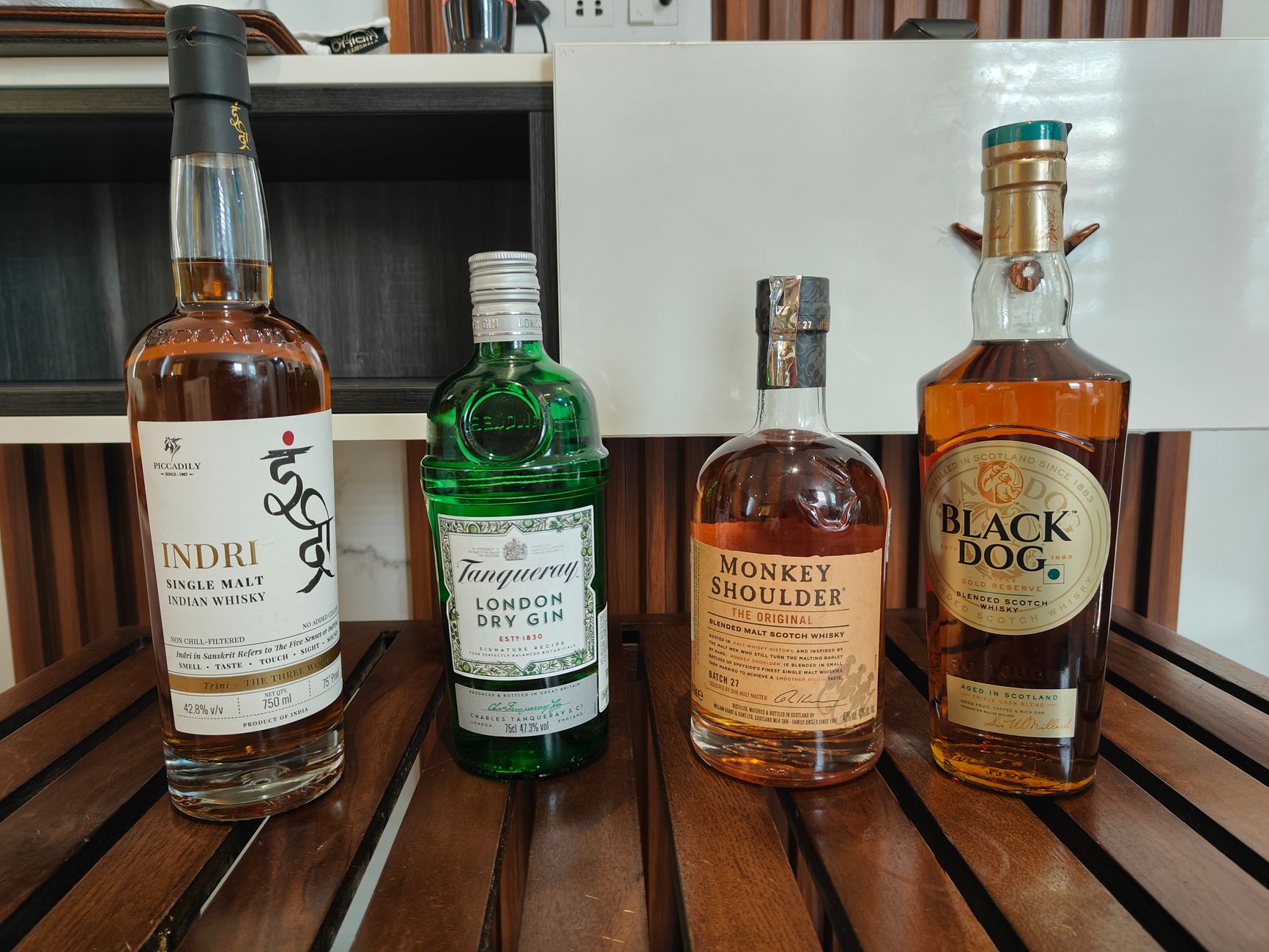
Indri whisky shares fall sharply following disappointing Q2 results. Investors are concerned about the implications for future growth and profitability.
Overview of Indri whisky’s market performance
Indri whisky, produced by Piccadily Agro, has recently experienced a significant downturn in its market performance. Following the company’s Q2 financial report, shares of Indri whisky fell by over 12%, raising concerns among investors and analysts alike.
The drop in share price has been attributed to several factors that have impacted the company’s overall outlook. Firstly, the financial results disclosed a lower-than-expected sales growth, which has caused apprehension regarding the brand’s ability to compete in a rapidly changing market. Additionally, increased production costs and supply chain disruptions have further strained the company’s profitability.
Moreover, the premium whisky segment has seen heightened competition, with several new entrants vying for market share. This competition has led to pricing pressures that may have affected Indri whisky’s sales performance.
Analysts suggest that the decline in Indri whisky shares reflects not only the internal challenges faced by Piccadily Agro but also external economic factors that have influenced consumer spending habits. With changing market dynamics and shifting consumer preferences, the path forward for Indri whisky may require strategic adjustments to regain investor confidence.
As the market continues to evolve, stakeholders will be closely monitoring the company’s next steps, hoping for a rebound in the coming quarters.
Key factors affecting Piccadily Agro shares
The recent decline in Indri whisky shares can be attributed to several key factors impacting Piccadily Agro’s overall market performance. Investors have expressed concerns regarding the company’s financial health and future growth prospects. The following points outline the significant elements influencing the drop:
- Revenue Decline: Piccadily Agro reported a notable decrease in revenue for the second quarter, raising alarms among stakeholders about the company’s ability to maintain profitability.
- Increased Competition: The whisky market has become increasingly competitive, with emerging brands gaining traction, which may affect Indri whisky’s market share.
- Supply Chain Issues: Ongoing supply chain disruptions have impacted production capabilities, leading to concerns about the availability of Indri whisky in the market.
- Market Sentiment: Negative market sentiment following the quarterly report has triggered a sell-off among investors, further contributing to the shares’ decline.
- Global Economic Factors: Broader economic uncertainties, including inflation and changing consumer spending habits, have influenced investor confidence in the spirits sector.
As a result of these factors, Indri whisky shares have experienced a 12% drop, highlighting the challenges Piccadily Agro faces in the current market landscape.
Analysis of Q2 results for Indri whisky
The recent Q2 results for Indri whisky have sparked concerns among investors, leading to a notable decline in share prices. As reported, Indri whisky shares fell by over 12% following the announcement of these results, prompting a closer examination of the underlying factors contributing to this downturn.
Several key elements emerged from the Q2 analysis that could explain the decline in investor confidence:
- Decreased Sales Volume: The sales volume for Indri whisky showed a significant dip compared to the previous quarter, which raised alarms about market demand.
- Increased Production Costs: Rising costs of raw materials and production have put pressure on profit margins, creating uncertainty about future profitability.
- Market Competition: The growing competition in the whisky sector has led to aggressive pricing strategies, further impacting Indri’s market position.
- Consumer Trends: A shift in consumer preferences towards premium brands has also been noted, potentially sidelining Indri in a market that increasingly favors exclusivity.
These factors combined have contributed to the negative sentiment surrounding Indri whisky shares. As investors digest these results, the future trajectory of Piccadily Agro remains uncertain, highlighting the need for strategic adjustments to regain market confidence.
Investor reactions to share price decline
Following the recent decline in share prices, investor reactions to the news about Indri whisky have been notably mixed. The 12% drop in shares of Piccadily Agro has raised concerns among stakeholders, prompting a wave of discussions in trading circles.
Many investors are expressing disappointment, highlighting a sense of uncertainty regarding the company’s future performance. Some key reactions include:
- Increased Scrutiny: Investors are now closely monitoring the company’s strategic decisions and operational efficiency, especially after the disappointing Q2 results.
- Calls for Transparency: There are growing demands for clearer communication from the management team about the factors contributing to the decline in share prices, particularly the impact on Indri whisky’s market positioning.
- Long-term Outlook: A segment of investors remains optimistic, believing that the current dip may present a buying opportunity, especially if the company can address its recent challenges effectively.
The overall sentiment in the market indicates a cautious approach moving forward. Many investors hope for a swift recovery in the share price, while others remain skeptical, reflecting broader concerns about the premium spirits market amid changing consumer behaviors.
As the situation unfolds, the attention will remain focused on Indri whisky and its parent company, Piccadily Agro, to gauge any potential rebounds in their shares.
Future outlook for Indri whisky
The future outlook for Indri whisky appears uncertain following the recent decline in shares, which fell over 12%. Investors are closely monitoring the situation as the company navigates a challenging market landscape.
Several factors are influencing the future trajectory of Indri whisky:
- Market Competition: The whisky industry is becoming increasingly competitive, with both established brands and new entrants vying for market share. Indri’s ability to differentiate itself will be crucial in maintaining its customer base.
- Consumer Trends: Changing consumer preferences, especially among younger drinkers who may lean towards craft spirits or innovative flavor profiles, could impact sales. Indri must adapt its marketing strategies to attract this demographic.
- Economic Conditions: Broader economic factors, including inflation and consumer spending habits, will play a significant role. If discretionary spending continues to decline, premium brands like Indri whisky may see further pressure on sales.
- Production Costs: Rising costs of raw materials and production may affect profit margins. The company needs to manage these costs effectively to ensure financial stability.
In light of these challenges, the outlook for Indri whisky shares remains cautious. Investors will be looking for strategic responses from the management team to address these issues and restore confidence in the brand.
Comparative analysis with industry peers
In a comparative analysis with industry peers, the recent decline in Indri whisky shares raises questions about how the brand stacks up against its competitors in the premium spirits market. Several companies, including established names like Amrut Distilleries and Rampur Indian Single Malt, have shown resilience despite market fluctuations.
While Indri whisky experienced a significant 12% drop, other brands managed to maintain or even grow their market value. For instance, Amrut Distilleries reported a 10% increase in share price over the same period, attributed to a strong international presence and robust sales in emerging markets. Similarly, Rampur Indian Single Malt’s strategic marketing campaigns have bolstered its reputation, reflecting positively in its share performance.
The difference in performance can be linked to various factors, including brand loyalty, marketing strategies, and distribution channels. Indri whisky’s recent challenges may stem from its limited reach and the need for a more aggressive marketing approach to compete effectively.
Investors are increasingly scrutinizing how well Indri whisky adapts to changing consumer preferences and market dynamics. As the company seeks to regain its footing, understanding these comparative metrics will be crucial in determining the future trajectory of its shares.
Expert opinions on the whisky market
Industry experts have weighed in on the recent decline in Indri whisky shares, attributing the 12% drop to a combination of market volatility and shifting consumer preferences. John Pritchard, a renowned analyst in the beverage sector, noted that “the whisky market is currently experiencing a downturn, which has impacted many brands, including Indri.” He emphasized that consumer demand for premium spirits is fluctuating, resulting in increased competition among established and new entrants alike.
Another expert, Emily Chen, highlighted the importance of brand positioning in a crowded market. “Indri whisky has built a reputation for quality, but it must adapt to changing tastes and trends to maintain its market share,” she said. Chen suggested that innovative marketing strategies and collaborations could help rejuvenate interest in the brand.
Additionally, Mark Stevens, a financial advisor, pointed out that the recent decline in Indri whisky shares is also linked to broader economic conditions. “Investors are wary of volatility in emerging markets, and this has caused a ripple effect on companies like Piccadily Agro,” he explained. Stevens urged investors to remain cautious but optimistic, as the whisky industry often rebounds following periods of adjustment.
With these insights in mind, stakeholders are keenly watching how Indri whisky will navigate the current challenges in the market.
Conclusion: What this means for investors
In light of the recent developments, the fall in Indri whisky shares presents a cautionary tale for investors in the beverage sector. The 12% drop reflects not only immediate market reactions but also underlying concerns about the company’s long-term viability. Investors must consider several pivotal elements before making decisions.
Firstly, the whisky market’s volatility can be influenced by broader economic conditions, including changing consumer preferences and regulatory challenges. As seen in the latest Q2 results, fluctuations in sales volume have raised questions about the sustainability of Indri’s growth trajectory.
Moreover, the comparative analysis with industry peers highlights that while some competitors are thriving, Indri whisky’s performance has been lackluster. This disparity can create a ripple effect, impacting investor confidence and ultimately share value.
In this context, it is essential for stakeholders to remain informed and adaptable. The current situation may serve as a wake-up call for investors to scrutinize their portfolios more closely and reassess their positions in the whisky market. While the fall in Indri whisky shares may appear alarming, it also opens the door for potential bargain opportunities, provided investors proceed with caution.
Ultimately, understanding the dynamics at play will be crucial for making informed investment choices in the wake of this decline.
The recent news surrounding Indri whisky shares fall has raised concerns among investors. Analysts suggest that the decline may be linked to increased competition in the premium whisky market, contributing to the overall Indri whisky shares fall.
Photo by Ravi Kushwaha on Pexels