
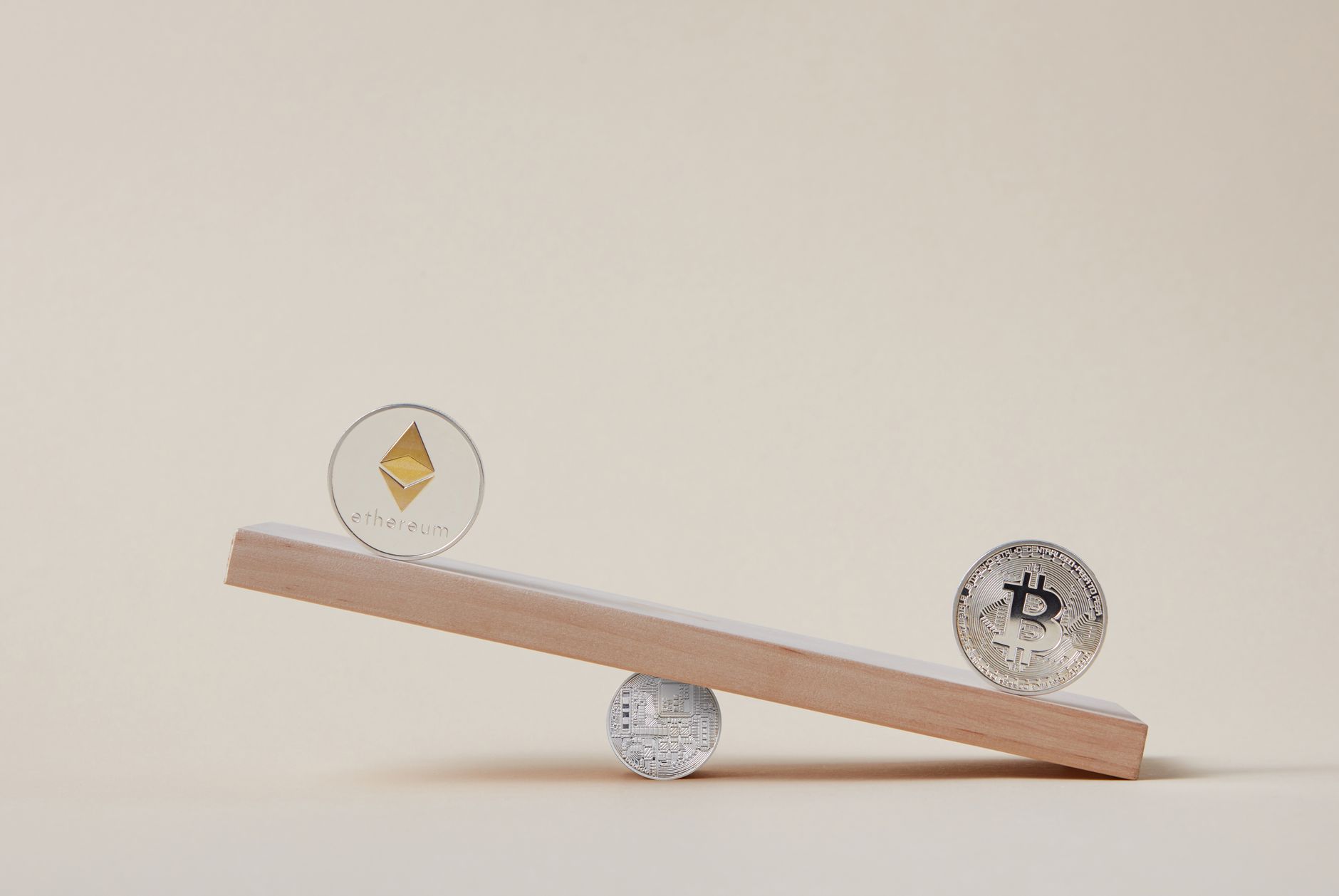
Ethereum scaling upgrade is currently being weighed by developers, with potential implications for over 15,000 applications. This decision could reshape the ecosystem significantly.
Understanding the Ethereum scaling upgrade
The Ethereum scaling upgrade is a significant development aimed at enhancing the network’s capacity and efficiency. As decentralized applications (dApps) continue to gain popularity, the demand for improved scalability has become increasingly urgent.
This upgrade is designed to address some of the limitations faced by Ethereum, particularly concerning transaction speed and gas fees. By implementing various technological advancements, developers hope to facilitate smoother interactions for users and create a more robust environment for developers.
Key features of the Ethereum scaling upgrade include:
- Layer 2 Solutions: These technologies allow transactions to be processed off the Ethereum main chain, reducing congestion.
- Sharding: This method aims to split the network into smaller pieces, or “shards,” which can process transactions in parallel.
- Improved Consensus Mechanisms: By transitioning to a proof-of-stake model, the network can increase its transaction throughput while decreasing energy consumption.
However, the potential implications of this upgrade have raised concerns among developers. As reported, the Ethereum scaling upgrade could potentially disrupt up to 15,000 applications currently running on the network. This uncertainty has prompted ongoing discussions about the best path forward for Ethereum’s future and the broader decentralized ecosystem.
Impact on decentralized applications
The recent discussions surrounding the Ethereum scaling upgrade have raised significant concerns regarding its potential impact on decentralized applications (dApps). As developers consider the implications of this upgrade, many are questioning whether it will truly enhance the performance and usability of the ecosystem.
One of the primary goals of the Ethereum scaling upgrade is to address the increasing demand for transaction speed and network efficiency. The current limitations of the Ethereum blockchain have led to high gas fees and slow transaction times, which can hinder the user experience for dApps. However, critics argue that while the upgrade may offer improved performance, it could also lead to unforeseen complications.
- Increased Complexity: Developers may need to adapt their applications to work with the new protocols, which could complicate the development process.
- Risk of Fragmentation: The introduction of multiple scaling solutions might lead to fragmentation within the dApp ecosystem, making it challenging for users to navigate different platforms.
- Potential Security Concerns: Any major upgrade comes with risks, and the Ethereum scaling upgrade could inadvertently expose dApps to new vulnerabilities.
Ultimately, while the Ethereum scaling upgrade aims to bolster the network’s capabilities, it remains to be seen whether it will serve as the best solution for developers and users of decentralized applications.
What are the potential benefits?
The Ethereum scaling upgrade could bring several potential benefits that may significantly enhance the overall ecosystem. By improving transaction speeds and reducing fees, this upgrade aims to create a more efficient environment for decentralized applications (dApps).
Some of the key benefits include:
- Increased Throughput: The upgrade is expected to dramatically increase the number of transactions processed per second, allowing dApps to handle larger volumes of users and activity without congestion.
- Lower Transaction Costs: By reducing gas fees, developers can create more accessible applications, ensuring that users are not deterred by high transaction costs.
- Enhanced User Experience: Faster transaction times contribute to a smoother user experience, making dApps more appealing and easier to use for a broader audience.
- Improved Scalability: The ability to scale effectively means that as more users join the network, the performance of dApps will remain stable, fostering growth within the ecosystem.
- Attracting Developers: With lower barriers to entry, more developers may be encouraged to build on Ethereum, leading to a richer and more diverse array of applications.
In conclusion, the Ethereum scaling upgrade could position the platform as a leading choice for developers and users alike, promoting innovation and growth across the blockchain landscape.
Challenges facing Ethereum developers
The Ethereum scaling upgrade presents both opportunities and challenges for developers looking to enhance their applications. As the Ethereum network continues to grow, several critical issues must be addressed to ensure the smooth implementation of this upgrade.
- Compatibility Issues: One of the primary challenges lies in ensuring that existing applications remain compatible with the new scaling solutions. Developers must navigate potential disruptions that could arise during the transition.
- Resource Allocation: With the introduction of the Ethereum scaling upgrade, developers may need to reassess how they allocate resources. This includes both financial investment and human capital, which could strain smaller teams.
- Security Concerns: Upgrading the network could introduce new vulnerabilities. Developers must prioritize security to prevent exploitation by malicious actors, potentially jeopardizing user funds and trust.
- User Experience: Enhancing scalability can sometimes come at the cost of user experience. Developers need to balance speed and efficiency while maintaining a seamless interface for end-users.
- Community Consensus: The Ethereum community is diverse, and achieving consensus on the best scaling solutions can be contentious. Disagreements among stakeholders may slow progress and complicate implementation.
Ultimately, while the Ethereum scaling upgrade holds promise, developers must strategically navigate these challenges to ensure that applications thrive in the evolving ecosystem.
Community reactions to the upgrade
The Ethereum scaling upgrade has sparked diverse reactions within the community, highlighting both optimism and skepticism among developers and users alike. Many proponents argue that this upgrade is a necessary step toward enhancing the network’s efficiency and usability. They believe that improved scalability will allow decentralized applications (dApps) to operate seamlessly, attracting more users and fostering innovation.
Conversely, some community members express concern over the potential risks associated with the upgrade. A significant point of contention is whether the scaling solution could inadvertently disrupt existing applications. As noted by several developers, the fear of breaking more than 15,000 dApps raises questions about the upgrade’s implementation and its impact on established projects.
Furthermore, users are divided on the timing of the upgrade. While many are eager for enhancements, others argue for a more cautious approach, emphasizing the need for rigorous testing before any significant changes are made. There is also a call for clear communication from the Ethereum development team regarding how the upgrade will affect the ecosystem.
As discussions continue, it is evident that the Ethereum scaling upgrade is a pivotal topic, with the potential to reshape the future of decentralized technology. The community’s varied opinions reflect the complexity of achieving scalability while maintaining the integrity of the ecosystem.
Future of Ethereum post-upgrade
The future of Ethereum post-upgrade looks promising yet complex as developers and users adapt to the implications of the Ethereum scaling upgrade. With the anticipated improvements, many believe that Ethereum could potentially support a larger ecosystem of decentralized applications (dApps), enhancing user experiences and reducing transaction costs.
However, as Ethereum strives for scalability, it faces challenges that could affect its long-term viability. One critical aspect is the need for robust security measures. As the network scales, maintaining security without compromising performance is essential. Developers must navigate this balance carefully to avoid vulnerabilities that could be exploited.
The upgrade also raises questions about the decentralization of the network. As more applications vie for resources, there is concern that some may dominate, leading to potential centralization. The community is keenly aware of the need to preserve Ethereum’s foundational principles while embracing scalability.
Moreover, the community’s reaction has been mixed, with some expressing optimism about the upgrade’s potential, while others remain skeptical about its execution and long-term effects. As Ethereum continues to evolve, the discussions surrounding this upgrade will shape not only its future but also the broader landscape of blockchain technology.
- Increased scalability could attract more developers.
- Improved transaction speeds may enhance user satisfaction.
- Security concerns must be addressed to maintain trust.
Photo by DS stories on Pexels
References
Higher EPS pension: Best Proven Demands for Pensioners · Bitcoin Price Prediction: Best Way to Understand Trends · SML Mahindra Rights Issue: Clear Details You Need