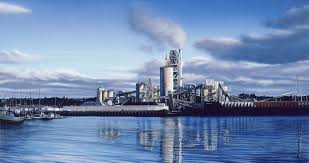

Venezuela oil imports have reached a seven-year high, driven by Ambani’s Reliance. This significant increase highlights the growing relationship between India and Venezuela in the oil sector.
Overview of Venezuela Oil Imports
The recent surge in Venezuela oil imports has marked a significant shift in the global energy landscape, especially for countries like India. With geopolitical tensions affecting traditional suppliers, India has turned its attention to Venezuela, a nation rich in oil reserves but historically isolated due to sanctions.
Reliance Industries, led by Mukesh Ambani, has been at the forefront of this shift, driving India’s oil imports from Venezuela to a seven-year high. This strategic move comes as India seeks to diversify its energy sources and reduce dependence on other oil-producing nations.
Several factors contribute to this increase in Venezuela oil imports:
- Sanction Easing: A perceived softening of U.S. sanctions has allowed greater access to Venezuelan oil.
- Cost-Effectiveness: Venezuelan crude is often cheaper, making it an attractive option for oil refiners.
- Strategic Partnerships: Reliance’s established connections with Venezuela have facilitated smoother transactions.
As the global energy market evolves, the implications of India’s reliance on Venezuela oil imports remain to be fully realized, raising questions about sustainability and geopolitical stability.
Impact of Reliance on Oil Trade
The impact of Reliance Industries on Venezuela oil imports has been significant, particularly in recent months. As India’s largest private sector company, Reliance has played a pivotal role in enhancing the volume of oil traded between the two nations, reaching a seven-year high. This shift has not only strengthened economic ties but also provided Venezuela with a much-needed revenue boost amid ongoing sanctions and economic turmoil.
Analysts highlight several key factors contributing to this trend:
- Increased Demand: India’s growing energy needs have prompted Reliance to seek alternative sources, making Venezuelan oil an attractive option.
- Strategic Partnerships: Reliance’s collaboration with local distributors in Venezuela has facilitated smoother transactions and logistics.
- Price Competitiveness: The affordability of Venezuelan crude, particularly in the context of fluctuating global oil prices, has further incentivized these imports.
While some experts express concerns about the sustainability of this trade, the current momentum suggests that Reliance’s efforts in boosting Venezuela oil imports are yielding substantial benefits for both parties involved.
Economic Implications for India
The economic implications of Venezuela oil imports for India are significant, particularly in the context of rising global energy prices. As Reliance Industries continues to forge stronger ties with Venezuela, India stands to benefit from a diversified oil supply that can help stabilize its energy needs.
One of the key advantages of increasing imports from Venezuela is the potential for cost savings. Venezuelan crude is often sold at discounted rates due to the country’s ongoing economic challenges. This can provide Indian refineries with an opportunity to enhance profit margins while meeting domestic demand.
However, reliance on Venezuelan oil also comes with risks. The political instability in Venezuela can lead to supply disruptions, which could affect Indian markets. Furthermore, the evolving geopolitical landscape may impose sanctions or trade restrictions that could impact the viability of long-term contracts.
In conclusion, while Venezuela oil imports present a strategically beneficial avenue for India, the complexities of such a relationship necessitate careful management and consideration of the wider economic environment.
Future of Venezuela-India Relations
The future of Venezuela-India relations appears promising, especially in light of the recent surge in Venezuela oil imports driven by Reliance Industries. As both countries navigate their economic landscapes, the partnership is likely to deepen, with energy trade at its core.
India’s increasing reliance on Venezuelan oil has significant implications for its energy security and diversification strategy. This escalation not only benefits India in terms of supply but also aids Venezuela in overcoming economic sanctions and enhancing its oil revenue. The collaboration between the two nations reflects a mutual interest in bolstering their economies.
Furthermore, the geopolitical dynamics in South America and Asia will play a crucial role in shaping this relationship. India’s commitment to sustainable energy and its growing demand for crude oil will likely prompt further investments in Venezuelan oil infrastructure. As Reliance continues to expand its operations, both countries could explore additional avenues for cooperation.
To capitalize on this momentum, both governments may need to address potential challenges, including regulatory hurdles and fluctuating global oil prices. Nonetheless, the trajectory of Venezuela oil imports is set to remain a vital part of India’s energy narrative.
Key Players in the Oil Market
The landscape of Venezuela oil imports is shaped by several key players, each contributing to the complex dynamics of the oil market. Among them, Reliance Industries has emerged as a significant force. Led by Mukesh Ambani, Reliance has strategically positioned itself to capitalize on the opportunities presented by Venezuela’s vast oil reserves.
Another important player is the Venezuelan government, which has sought to revitalize its oil sector amidst economic challenges and sanctions. The state-owned company, PDVSA, remains pivotal in managing oil production and exports, making its collaboration with foreign entities crucial.
Additionally, international traders and oil companies play a vital role in facilitating the flow of Venezuelan crude to markets around the world. These entities help navigate the regulatory and financial hurdles associated with Venezuelan oil imports, ensuring that oil reaches its intended destinations.
Furthermore, geopolitical factors cannot be overlooked. Countries like China and Russia have shown interest in Venezuela’s oil, further intensifying the competition for access to this valuable resource. As the situation evolves, the interplay between these key players will determine the future of Venezuela oil imports and the global oil market.
Photo by George Bek on Pexels