
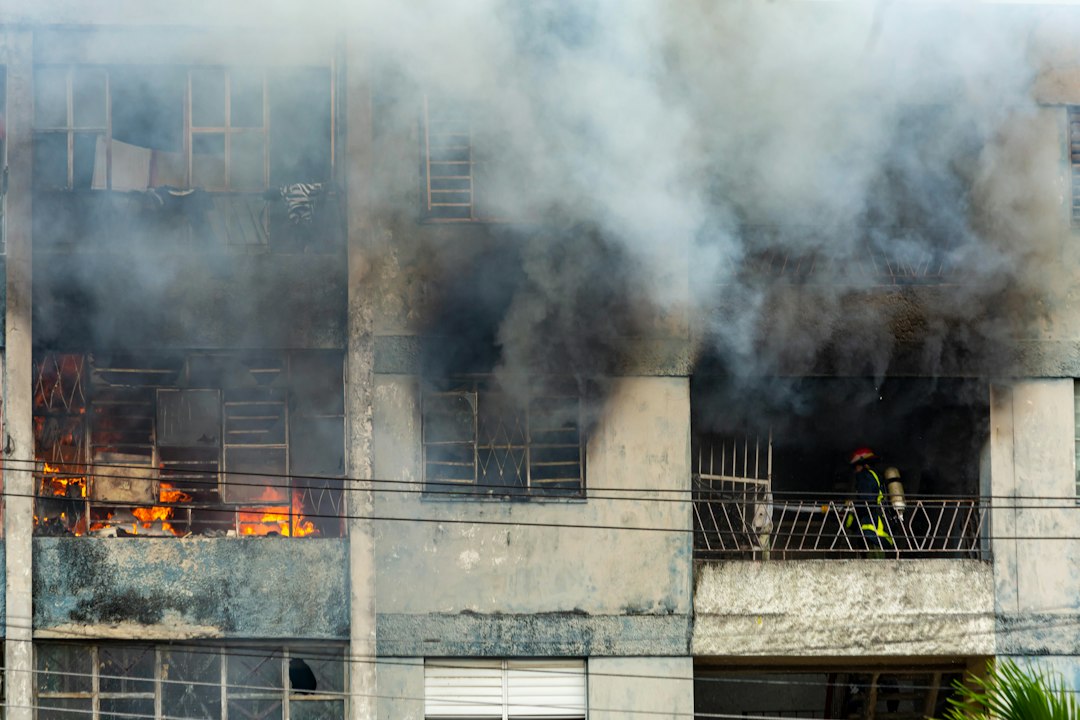
Why is emergency preparedness important for commercial operations?
Commercial buildings depend on reliable fire protection, effective evacuation procedures, and employees who understand their responsibilities. When unexpected problems compromise normal safeguards, businesses need a practical response that prioritizes safety. emergency fire watch texas services can support this response through trained personnel who monitor designated areas, identify developing hazards, and communicate important findings while the business addresses the underlying issue.
Which businesses may benefit from fire watch arrangements?
Retail stores, office buildings, manufacturing facilities, distribution centers, hospitality properties, and construction sites may require fire watch under certain conditions. The need depends on the type of hazard, the status of installed protection systems, the activities taking place, and applicable regulations.
A business should not rely solely on its industry classification when deciding what is necessary. A site-specific assessment and consultation with the appropriate authority provide a more reliable basis for action.
How does fire watch support everyday workplace safety?
During patrols, guards can observe signs of smoke, unusual heat, unsafe storage, blocked exits, and other conditions that may create fire hazards. They can report concerns so management can arrange corrective action before a situation worsens.
Their presence may also reinforce site rules by encouraging attention to housekeeping, access control, and safe work practices. However, employees and contractors remain responsible for following established safety procedures.
What should a business include in its response plan?
A practical plan should identify the person responsible for activating fire watch, the procedure for contacting a service provider, and the individuals who must be informed when a fire protection problem occurs.
It should also explain how the building’s risks will be communicated, where guards should report, and how emergency calls will be handled. Evacuation instructions and contact details should remain accessible to authorized personnel.
How should businesses manage occupied buildings?
When a property remains open during a fire protection impairment, management must carefully assess the safety implications. Depending on the circumstances and applicable requirements, additional safeguards, restricted activities, partial closure, or evacuation may be necessary.
Fire watch should not be used as justification for keeping an unsafe building occupied. Decisions must follow the direction of relevant authorities and the recommendations of qualified fire safety professionals.
What training should fire watch personnel receive?
Personnel should understand fire hazard recognition, patrol procedures, emergency communications, evacuation awareness, and accurate recordkeeping. They should also know the limits of their role and how to request assistance when conditions exceed their training.
How can managers maintain effective communication?
Management should appoint clear points of contact and establish a straightforward method for reporting problems. Guards need to know who can authorize access, coordinate repairs, and communicate with emergency responders.
Employees should also know how to raise concerns without delay. Consistent communication prevents information from becoming fragmented between building management, contractors, and monitoring personnel.
What should be reviewed after an emergency?
Once the immediate issue has been resolved, managers should review the incident timeline, equipment failure, monitoring records, and corrective actions. This review can reveal weaknesses in maintenance scheduling, contractor coordination, or emergency communication.
Lessons from the incident should be incorporated into future procedures. Updating contact lists and reviewing employee instructions can improve preparedness for similar disruptions.
How can businesses establish a stronger safety culture?
Organizations should treat fire protection as an ongoing management responsibility rather than an occasional compliance task. Regular training, properly maintained equipment, clear reporting procedures, and prompt responses to identified hazards all contribute to safer workplaces.
Emergency fire watch can help bridge a temporary gap in protection when required. Its value is greatest when businesses coordinate monitoring with responsible decision-making, permanent repairs, and a broader commitment to fire prevention.
19