The German President visit China is set to bring significant discussions that could influence global banking trends. This high-level meeting is anticipated to shape future economic relations.
Overview of the Upcoming Visit
In a significant diplomatic move, the German President is set to visit China next week, marking a pivotal moment in international relations. This visit highlights the ongoing collaboration between Germany and China, two major economies that are increasingly intertwined in global trade and politics. The German President’s visit to China aims to strengthen bilateral ties and discuss key issues affecting both nations.
During this visit, several crucial topics are expected to be on the agenda, including:
- Trade Relations: The leaders will explore opportunities to enhance economic partnerships and reduce trade barriers.
- Climate Change: Discussions will likely focus on joint efforts to combat climate change and promote sustainable practices.
- Technological Cooperation: The potential for collaboration in technology and innovation will be addressed, particularly in green technologies.
- Geopolitical Issues: The leaders may tackle pressing geopolitical concerns, including tensions in the Asia-Pacific region.
This visit is expected to have a lasting impact on the dynamics of German and Chinese relations, shaping future collaborations and setting the stage for ongoing dialogue between these influential nations. As the world watches closely, the outcomes of the German President’s visit to China will be pivotal for both countries.
Key Topics on the Agenda
The upcoming visit of the German President to China is poised to address several crucial topics that could shape bilateral relations between the two nations. These discussions are expected to focus on a range of economic, environmental, and geopolitical issues.
- Economic Cooperation: One of the primary objectives will be to enhance trade relations and explore new investment opportunities. Germany aims to strengthen its position as a leading partner for China in technology and automotive sectors.
- Climate Change Initiatives: Given the global emphasis on sustainability, both countries are likely to discuss collaborative efforts in combating climate change. This includes sharing technological innovations and joint projects aimed at reducing carbon emissions.
- Geopolitical Stability: The leaders will address regional security concerns, particularly regarding tensions in the Asia-Pacific region. Cooperation on international policies, such as those related to North Korea and Taiwan, will be critical.
- Human Rights Issues: The German President may raise concerns regarding human rights practices in China, highlighting the importance of dialogue on humanitarian issues.
As the German President visits China, these key topics on the agenda are likely to influence not only bilateral relations but also broader international dynamics.
Impact on Global Banking
The upcoming visit of the German President to China is expected to have significant implications for global banking. As two of the world’s largest economies, Germany and China have a profound influence on international financial markets. The discussions during this visit will likely focus on fostering stronger economic ties, which could lead to new banking partnerships and investment opportunities.
One of the key areas of interest will be the potential for increased cooperation in digital finance and fintech innovations. As Germany continues to enhance its digital banking landscape, collaboration with Chinese tech firms could accelerate advancements in areas such as blockchain technology and digital currencies.
Furthermore, the visit may address concerns surrounding trade imbalances and currency fluctuations, which directly impact banking operations worldwide. The German President’s engagement with Chinese leaders could pave the way for more stable economic relations, easing tensions that have previously affected global banking systems.
In addition to financial discussions, the outcomes of this meeting may influence regulatory frameworks, affecting how banks operate in both countries. Overall, the German President’s visit to China is poised to shape the future of global banking, fostering a more interconnected financial ecosystem.
Fed’s Decision on Interest Rates
As the world anticipates the German President’s visit to China, another crucial event looms on the horizon: the Federal Reserve’s decision on interest rates. This decision is pivotal, as it will not only shape the economic landscape in the United States but also have ripple effects globally, including in Europe and Asia.
The Fed’s meeting is set to take place just days before the German President embarks on his trip, making it a significant backdrop for discussions on economic cooperation between Germany and China. Investors and analysts are closely monitoring signals from the Fed regarding potential rate hikes or cuts, as these decisions can influence currency valuations and trade balances.
Key considerations for the Fed include:
- Inflation Rates: Current inflation trends are a primary factor in determining interest rate policy.
- Employment Data: The job market’s health plays a crucial role in economic stability.
- Global Economic Conditions: The interconnectedness of economies means that international events, such as the German President’s visit, could impact U.S. decisions.
Ultimately, the intersection of the Fed’s interest rate decision and the German President’s visit to China could present unique opportunities and challenges for global economic relations.
Reactions from Financial Analysts
Financial analysts are closely monitoring the upcoming visit of the German President to China, as they anticipate significant implications for both economies. Many experts believe this meeting could foster stronger trade relations and enhance cooperation on various global issues.
According to a report from a leading financial consultancy, the visit could lead to increased investment flows between Germany and China. Analysts suggest that German companies may find new opportunities in sectors such as renewable energy and technology, aligning with China’s ambitious economic goals.
Some analysts expressed concerns regarding the geopolitical implications of the visit. They argue that Germany must carefully navigate its relationship with China, especially in light of recent tensions affecting global supply chains.
Furthermore, the potential outcomes of the German President’s discussions on trade agreements may influence market sentiment in the short term. Key stock indices in both countries are likely to react based on the perceived success of these negotiations.
In summary, the German President’s visit to China is not just a diplomatic engagement; it has the potential to reshape financial landscapes and alter the dynamics of international trade. Observers remain eager to see how these discussions will unfold and what lasting effects they may have on global markets.
Historical Context of Germany-China Relations
The relationship between Germany and China has evolved significantly over the past few decades, marked by both collaboration and contention. Historically, Germany was one of the first Western nations to recognize the People’s Republic of China, establishing diplomatic relations in 1972. This early engagement laid the groundwork for a partnership built on trade, investment, and cultural exchange.
As China’s economy transformed into the second-largest in the world, Germany became one of its key trading partners in Europe. The bilateral trade volume has surged, with Germany exporting machinery, vehicles, and chemical products to China, while importing electronics and textiles. This mutual dependency underscores the importance of the upcoming German President visit China, which aims to further strengthen these economic ties.
- Economic Cooperation: Emphasis on technology transfer and green energy initiatives.
- Political Dialogue: Discussions on human rights and climate change policies.
- Cultural Exchange: Programs to enhance understanding between the two nations.
However, tensions have also surfaced, particularly regarding intellectual property rights and trade imbalances. As the German President prepares for this significant visit, the focus will likely be on balancing these complex dynamics while fostering a constructive dialogue for the future.
What to Watch For
The upcoming visit of the German President to China is poised to have several key implications that observers should monitor closely. As the leaders engage in discussions, the following aspects merit attention:
- Economic Agreements: Look for potential trade deals or economic partnerships that may emerge from the discussions, especially in technology and renewable energy sectors.
- Human Rights Concerns: The German President may address human rights issues, reflecting Germany’s commitment to democratic values and ethical governance.
- Geopolitical Dynamics: The visit could influence Germany’s stance on China within the European Union, particularly in light of rising tensions between China and Western allies.
- Climate Cooperation: Joint initiatives on climate change may be a focal point, as both nations seek to enhance collaboration in green technology and sustainable practices.
- Public Sentiment: Pay attention to the reactions from the public and media in both countries, as these could shape future diplomatic relations.
The outcomes of the German President’s visit to China will be crucial in determining the future trajectory of bilateral relations, particularly in the context of global economic and political shifts. Stakeholders in various sectors should prepare for any ramifications that may arise from this significant diplomatic engagement.
Conclusion and Future Implications
As the German President prepares for the significant visit to China, the implications of this diplomatic engagement extend far beyond bilateral relations. The visit not only underscores Germany’s commitment to strengthening ties with one of its largest trading partners but also reflects a broader effort to navigate the complexities of global politics and economics.
In light of recent challenges in international trade and shifting alliances, this meeting could set the tone for future collaborations in various sectors, including technology, renewable energy, and infrastructure. The discussions are expected to focus on sustainable development, which is becoming increasingly critical in the context of climate change and economic resilience.
Moreover, the outcome of the German President’s visit to China could influence the dynamics within the European Union, particularly regarding trade policies and economic strategies. Analysts believe that a successful engagement may lead to enhanced cooperation not only between Germany and China but also encourage other EU nations to strengthen their own ties with the Asian powerhouse.
In conclusion, the German President’s visit to China represents a pivotal moment that could reshape the future landscape of international relations, emphasizing the importance of diplomacy and collaboration in an increasingly interconnected world.
The upcoming German President visit China is expected to strengthen bilateral ties and foster economic cooperation between the two nations. Analysts are keenly observing how the German President visit China will influence trade agreements and diplomatic relations in the region.
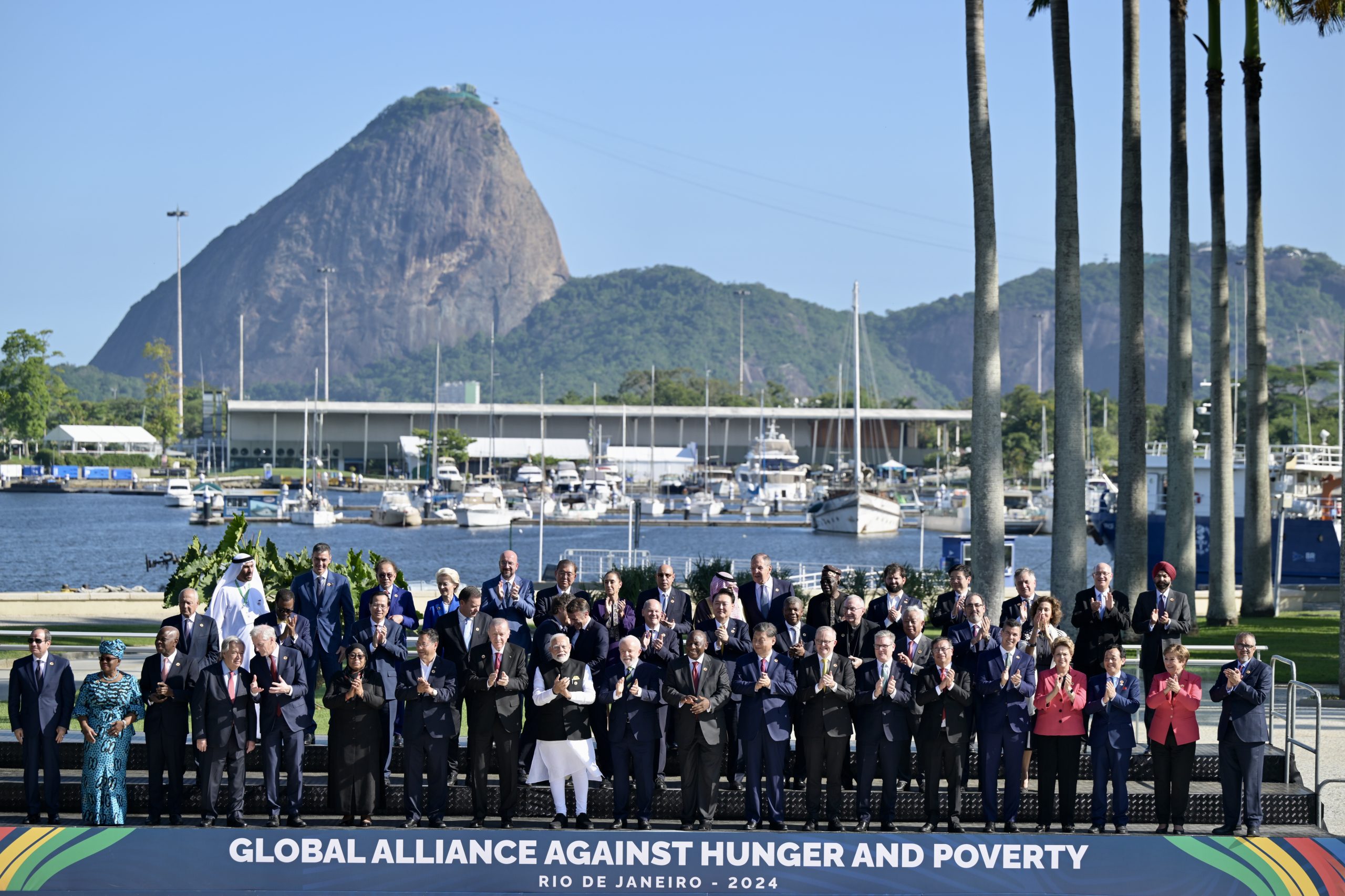
By Europäische Kommission – Audiovisueller Dienst, CE – Service audiovisuel, EC – Audiovisual Service, Dati Bendo via Openverse