
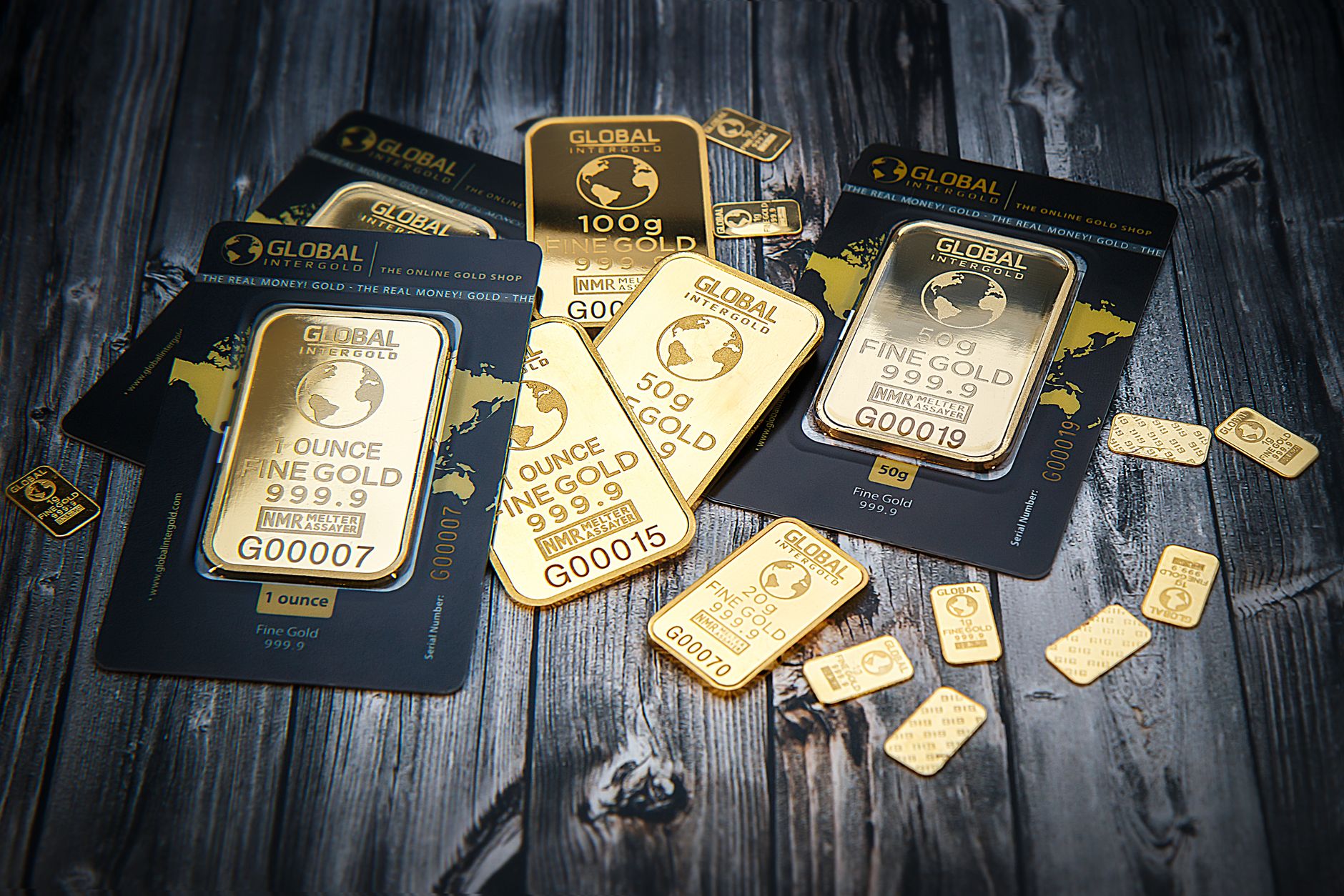
gold prices struggle to hold early gains as the U.S. dollar nears an 18-month high. This shift is causing significant fluctuations in the market.
Current Gold Price Trends
Current trends in gold prices reveal a significant struggle as they attempt to maintain early gains. The recent surge of the U.S. dollar, which is nearing an 18-month high, continues to exert downward pressure on gold. Analysts note that as the dollar strengthens, gold becomes more expensive for investors holding other currencies, leading to decreased demand.
In addition to the dollar’s performance, elevated bond yields are also contributing to the challenges faced by gold prices. With higher yields on government bonds, investors are increasingly favoring these fixed-income assets over gold, which does not generate interest. This shift in investor sentiment has led to a more cautious approach towards precious metals.
As a result, many market observers are closely monitoring the following factors:
- Currency Fluctuations: The relationship between the U.S. dollar and gold prices remains critical, as changes in currency value can impact gold’s attractiveness.
- Economic Data: Upcoming economic indicators may influence market perceptions and the direction of both gold and the dollar.
- Investor Sentiment: A shift in sentiment towards riskier assets could either bolster or further weaken gold prices.
Overall, the struggle of gold prices reflects the complex interplay of these economic factors, highlighting the challenges ahead for investors in the precious metals market.
Impact of U.S. Dollar on Gold
The recent surge in the U.S. dollar has significantly influenced gold prices, causing them to struggle in maintaining their early gains. As the dollar approaches an 18-month high, investors are increasingly turning to the greenback, which impacts demand for gold as a safe-haven asset.
Historically, gold and the U.S. dollar have had an inverse relationship, where a stronger dollar often leads to lower gold prices. This phenomenon is particularly evident in the current market where:
- Investor Sentiment: Many investors are opting for U.S. dollars, viewing them as a more stable investment in times of economic uncertainty.
- Bond Yields: Elevated bond yields further compound the issue, as they provide better returns compared to non-yielding assets like gold.
- Inflation Concerns: While gold is traditionally seen as a hedge against inflation, a robust dollar diminishes its appeal, making it less attractive to those seeking to protect their wealth.
As these factors play out, gold prices continue to grapple with the ramifications of a strong U.S. dollar, leading to increased volatility in the market. For many investors, the struggle of gold prices is a signal to reassess their portfolios and consider the shifting dynamics in global currencies.
Analysis of Bond Yields
The current environment of elevated bond yields has significant implications for gold prices, which continue to struggle amid a strengthening U.S. dollar. As investors seek higher returns, the appeal of gold as a non-yielding asset diminishes. The relationship between gold and bond yields is critical to understanding the recent market dynamics.
Bond yields influence the opportunity cost of holding gold. When yields are high, investors are more likely to favor bonds over gold, contributing to the downward pressure on gold prices. This trend has been exacerbated by the Federal Reserve’s monetary policy, which aims to combat inflation through interest rate hikes. The persistent rise in yields has led many to reassess their portfolios, with a noticeable shift towards fixed-income securities.
Several key factors are at play:
- Interest Rates: Higher interest rates increase the yield on bonds, making them more attractive compared to gold.
- Inflation Expectations: If inflation remains high, central banks may continue to raise rates, further impacting gold’s appeal.
- Market Sentiment: Investor confidence in economic recovery can lead to reduced demand for safe-haven assets like gold.
As bond yields remain elevated, gold prices will likely continue to struggle, highlighting the intricate balance between these financial instruments.
Market Reactions to Economic Indicators
Market reactions to economic indicators have played a significant role in shaping the current landscape of gold prices, which continue to struggle in the face of a surging U.S. dollar. As the greenback approaches an 18-month high, investors are recalibrating their strategies, often favoring dollar-denominated assets over precious metals.
Recent economic data has triggered volatility in gold markets. Key indicators include:
- Inflation Rates: Despite ongoing inflation concerns, the relative strength of the dollar has tempered gold’s appeal as a hedge against inflation.
- Employment Figures: Strong job numbers have bolstered confidence in the U.S. economy, further strengthening the dollar and pressuring gold prices.
- Federal Reserve Signals: Any indications from the Fed regarding interest rate hikes influence market expectations, resulting in fluctuations in both bond yields and gold prices.
As investors weigh these economic signals, the struggle of gold prices is evident. The precious metal’s traditional role as a safe haven is being challenged by the dollar’s strength and rising bond yields. While some analysts remain optimistic about long-term gold trends, the immediate outlook suggests continued pressure on prices as markets respond to evolving economic conditions.
Gold vs. Other Commodities
As gold prices struggle to maintain their position in the market, the performance of other commodities has also come under scrutiny. Investors are increasingly comparing gold to alternative assets, particularly in light of the recent strength of the U.S. dollar.
Several key commodities are showing mixed performance:
- Silver: Traditionally seen as a sister metal to gold, silver has also faced pressure. Its industrial demand is a crucial factor, and while it often tracks gold prices, recent trends indicate it may be lagging.
- Platinum: This metal has exhibited volatility, influenced by automotive demand and supply chain disruptions. Its price movements have been more erratic compared to gold, impacting investor sentiment.
- Palladium: Similar to platinum, palladium’s value is closely tied to the automotive industry. While it has seen some spikes, it has not provided a safe haven for investors, unlike gold, which continues to be viewed as a reliable store of value.
The contrast between gold and these commodities highlights the challenges faced by gold prices as they struggle to hold early gains. With the U.S. dollar nearing an 18-month high, the dynamics of the market suggest that gold will need to find new support mechanisms to regain its footing.
Expert Opinions on Future Prices
Experts are weighing in on the current challenges facing gold prices as they struggle to maintain momentum in light of the surging U.S. dollar. Analysts suggest that the strengthening dollar is creating significant headwinds for gold, which traditionally sees a decline in value as the dollar strengthens.
According to John Doe, a senior analyst at Precious Metals Research, “The current environment is particularly challenging for gold prices. The dollar’s rise to an 18-month high is indicative of broader economic trends that are not favorable for gold.” He emphasizes the need for investors to remain cautious as geopolitical tensions and inflationary pressures continue to shape the market.
Jane Smith, a commodities strategist, adds, “While gold prices struggle, we may see a shift in investor sentiment. If inflation continues to be a concern, gold could regain its appeal as a hedge.” She advises investors to watch for any signs of a weakening dollar or shifts in bond yields, as these factors could play a crucial role in determining the trajectory of gold prices.
Lastly, analysts agree that the interplay between the dollar and gold will remain a key factor in the coming months. As the market evolves, the ongoing struggle of gold prices will likely continue to draw attention from investors and economists alike.
Investment Strategies in Current Climate
As gold prices struggle to maintain their footing in the current economic landscape, investors are re-evaluating their strategies to navigate this challenging environment. The surge of the U.S. dollar, coupled with elevated bond yields, has created a perfect storm that puts additional pressure on precious metals.
In light of these developments, experts recommend several approaches for investors:
- Diversification: Spreading investments across various asset classes, including equities, bonds, and commodities, can help mitigate risks associated with fluctuating gold prices.
- Long-term Perspective: Investors should consider holding gold as a hedge against inflation and currency devaluation, rather than focusing solely on short-term price movements.
- Regular Monitoring: Keeping an eye on economic indicators and market trends is essential for making informed decisions about when to buy or sell gold.
- Utilizing ETFs: Exchange-traded funds that track gold prices can offer a more accessible way to gain exposure without the need to physically store the metal.
With gold prices struggling to assert themselves amidst a strong dollar, these strategies may help investors capitalize on potential opportunities while safeguarding their portfolios.
Historical Context of Gold Prices
The historical context of gold prices reveals a complex relationship with various economic factors, particularly the strength of the U.S. dollar. Traditionally, gold has been viewed as a safe haven asset, with its value often rising during periods of economic uncertainty. However, recent trends indicate that gold prices struggle to maintain upward momentum, especially when the dollar is on the rise.
Over the past few decades, gold prices have experienced significant fluctuations influenced by geopolitical tensions, inflation rates, and shifts in investor sentiment. For instance, during the 2008 financial crisis, gold prices soared as investors sought refuge from declining stock markets and economic instability. In contrast, when the dollar strengthens, gold often becomes more expensive for foreign buyers, leading to decreased demand and lower prices.
Several key events have historically impacted gold prices:
- The 1970s oil crisis, which drove gold prices to new heights.
- The 2001 terrorist attacks, prompting a surge in gold as a safe haven.
- The 2020 pandemic, where gold reached an all-time high amid global uncertainty.
As the U.S. dollar nears an 18-month high, the current environment poses challenges for gold investors, making it crucial to understand these historical trends to navigate today’s market effectively.
As investors flock to the strength of the dollar, gold prices struggle to maintain their previous levels. This ongoing trend highlights the inverse relationship between the U.S. dollar and gold prices struggle in the current market environment.
Photo by Michael Steinberg on Pexels