
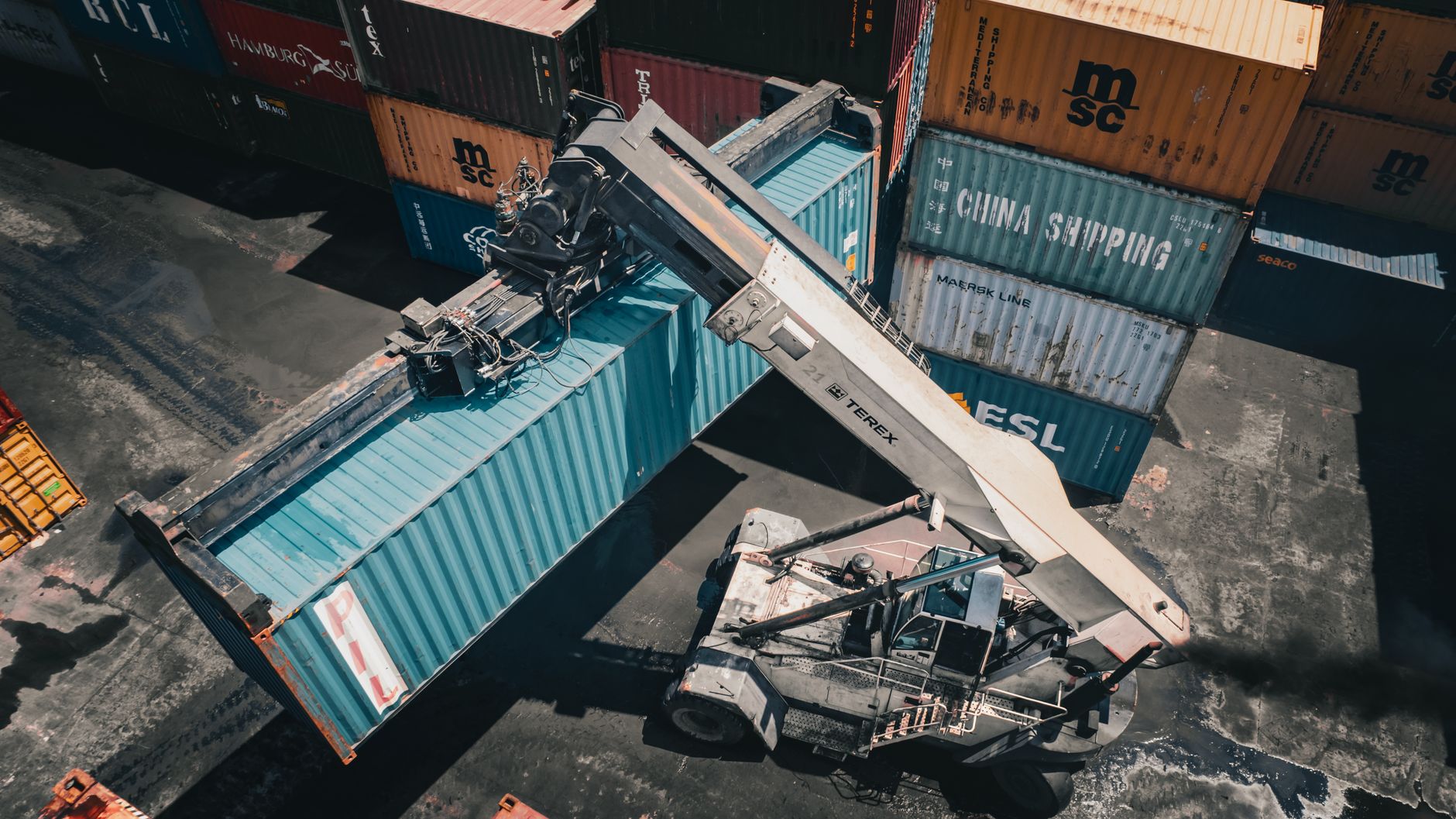
Maersk Middle East operations are undergoing significant updates. The company has introduced emergency freight rates and routing changes to better serve its clients.
Overview of Maersk’s New Operations
Maersk has recently announced significant updates to its Middle East operations, aiming to enhance efficiency and responsiveness in the region. These changes are largely driven by the need to adapt to evolving market conditions and customer demands.
Among the key updates is the introduction of emergency freight rates, designed to provide clients with more flexibility during unforeseen circumstances. This new pricing model allows for quicker adjustments to shipping costs, ensuring that businesses can manage logistics without excessive delays or financial burdens.
In addition to the revised rates, Maersk is implementing routing changes to optimize shipping routes across the Middle East. This strategy focuses on reducing transit times while maintaining reliability, a crucial factor for businesses that rely on timely deliveries.
Furthermore, the company is enhancing its digital tools to provide real-time tracking and updates for shipments, allowing customers to stay informed about their cargo’s journey. These updates are part of Maersk’s broader commitment to improving service quality and operational efficiency in its Middle East operations.
As these changes take effect, stakeholders in the region can expect a more agile and responsive logistics environment that meets the dynamic needs of the market.
Impact of Emergency Freight Rates
The recent implementation of emergency freight rates by Maersk has significantly impacted its Middle East operations. These changes aim to address the rising demand for cargo transport and ensure timely delivery amidst global supply chain disruptions.
Key impacts of the new emergency freight rates include:
- Increased Costs: Shippers are now facing higher freight charges, which may affect overall supply chain budgets.
- Route Adjustments: Maersk has altered several shipping routes to optimize efficiency, helping to alleviate congestion in key ports.
- Improved Reliability: Despite the higher costs, these changes are designed to enhance service reliability, ensuring that shipments arrive on time.
- Enhanced Communication: Maersk is emphasizing communication with clients, providing real-time updates on shipment statuses and potential delays.
While the emergency freight rates may pose challenges for some businesses, they are seen as a necessary response to current logistical pressures. The adjustments made by Maersk in its Middle East operations reflect a strategic approach to navigate the complexities of the modern shipping landscape.
Ultimately, these changes may pave the way for more resilient operations in the future, allowing Maersk to better serve its clients in the region.
Routing Changes Explained
In response to the evolving logistics landscape, Maersk has implemented significant routing changes in its Middle East operations. These modifications aim to enhance efficiency and reduce transit times for shipments across the region.
One of the key adjustments involves the consolidation of shipping routes, which allows for more streamlined operations. By reducing the number of stops, Maersk can ensure quicker delivery times while also optimizing fuel consumption. This not only benefits the company but also offers improved service to clients who rely on timely shipments.
Additionally, Maersk has introduced new feeder services that connect major ports with smaller regional hubs. This strategy enhances accessibility and enables shippers to reach a broader market. The introduction of these services is expected to facilitate smoother supply chain operations across the Middle East.
Moreover, the routing changes come hand in hand with the company’s focus on sustainability. By optimizing routes, Maersk aims to lower its carbon footprint, aligning its operations with global environmental goals.
- Streamlined shipping routes
- New feeder services connecting regional hubs
- Focus on sustainability and carbon footprint reduction
These enhancements are crucial as Maersk continues to adapt to the challenges of the logistics industry in the Middle East.
Benefits for Middle East Customers
The recent updates to Maersk Middle East operations bring several benefits to customers in the region. By implementing emergency freight rates and optimizing routing, Maersk aims to enhance service reliability and efficiency.
One of the primary advantages for customers is:
- Improved Delivery Times: The routing changes allow for faster transit times, ensuring that goods reach their destinations more promptly.
- Greater Flexibility: The updated operations provide customers with more options to choose from, accommodating varying shipping needs.
- Cost Efficiency: While emergency freight rates are introduced to manage demand surges, the overall efficiency in operations can lead to potential cost savings for customers in the long run.
- Enhanced Communication: Customers can expect more transparent updates regarding shipment status and delivery timelines, fostering trust and reliability.
- Access to Advanced Technology: Maersk’s investment in technology enhances tracking capabilities, enabling customers to monitor their shipments in real-time.
These changes position Maersk as a leader in the logistics sector, ensuring that customers in the Middle East benefit from streamlined and reliable shipping solutions.
Comparison with Previous Rates
In evaluating the effectiveness of Maersk’s Middle East operations, it is crucial to compare the current rates with those from previous years. This comparison highlights how emergency freight rates have transformed shipping costs in the region.
Previously, shipping rates in the Middle East were relatively stable, fluctuating minimally due to market demand and supply chain dynamics. However, recent changes have introduced more variability, driven by external factors such as geopolitical tensions and global supply chain disruptions.
Key differences include:
- Increased Base Rates: Current base rates have surged, reflecting the need for emergency freight solutions.
- Variable Surcharges: Additional surcharges have become a common practice, impacting overall shipping costs.
- Discount Structures: Some longstanding discounts have been revised, influencing the pricing strategies for long-term clients.
These changes have prompted many customers to reassess their shipping strategies. As Maersk continues to adapt its Middle East operations, stakeholders must remain vigilant to understand how these pricing structures will evolve in response to ongoing market pressures.
Future Outlook for Maersk in the Region
As Maersk continues to adapt its Middle East operations, the future outlook appears promising amid ongoing changes in the shipping landscape. The company’s strategic adjustments are designed to enhance efficiency and provide better service to their clients in the region.
One of the key areas of focus will be the integration of advanced technologies to streamline logistics. Innovations such as real-time tracking and automated supply chain management systems are expected to improve operational transparency and reduce delays.
Additionally, Maersk aims to strengthen partnerships with local stakeholders. By fostering collaboration with regional ports and customs authorities, the company can expedite processes and enhance the reliability of its services.
Furthermore, sustainability initiatives are likely to play a significant role in Maersk’s future operations. The company has committed to reducing carbon emissions, which aligns with global efforts to combat climate change. This focus on sustainability may attract more environmentally conscious clients and enhance Maersk’s reputation in the Middle East.
In summary, the future outlook for Maersk’s Middle East operations is focused on technological advancements, strong local partnerships, and sustainability, positioning the company for continued success in an evolving market.
One of the most significant improvements in Maersk Middle East operations is the adoption of advanced technology to enhance efficiency. Additionally, streamlining supply chain processes has proven beneficial for Maersk Middle East operations, allowing for faster delivery times.
Photo by Alex Levis on Pexels