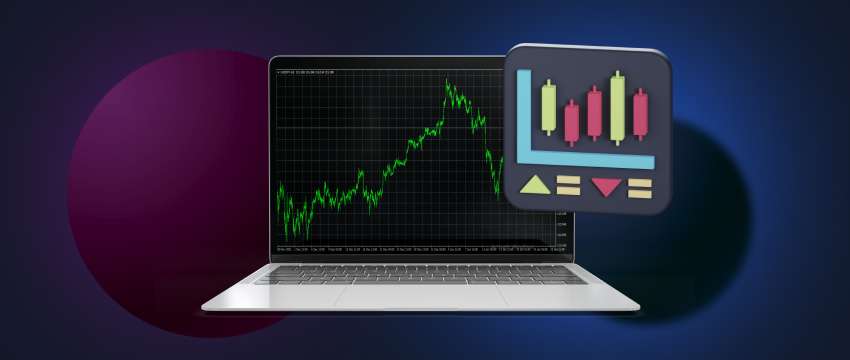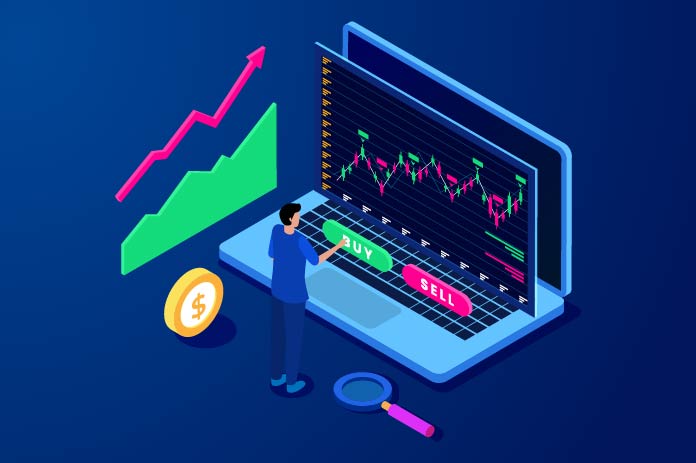

Online trading refers to the practice of buying and selling financial assets through internet-based platforms. This method allows traders to access global markets instantly, eliminating the need for physical brokerage offices or manual order placement. The growth of online trading has fundamentally transformed financial markets by increasing accessibility, transparency, and speed.
According to recent global statistics, over 70 million retail traders participate in online trading, with rapid adoption in regions like Europe, Asia, and North America. The convenience of trading from a desktop or mobile device has democratized investing, allowing individuals to engage in markets that were once dominated by institutional investors.
Why Are Traders Embracing Online Trading Platforms?
The popularity of online trading has surged due to several compelling advantages:
- Flexible Market Access – Traders can buy or sell assets anytime, anywhere, using internet-connected devices.
- Global Reach – Investors can trade international stocks, currencies, commodities, and indices from multiple regions.
- Lower Costs – Many online platforms offer reduced fees and commissions compared to traditional brokerage services.
- Advanced Analytical Tools – Charting software, real-time data, and automated trading tools help traders make informed decisions.
- Learning Opportunities – Webinars, forums, and tutorials provide knowledge and community support for traders of all levels.
Statistics indicate that traders leveraging these benefits are more likely to achieve consistent returns, as they can combine accessibility with informed, strategic decision-making.
How Do Online Trading Platforms Track and Measure Performance?
Monitoring performance is essential for long-term success in online trading. Platforms typically provide detailed metrics, including:
- Win/Loss Ratio – Measures the percentage of profitable trades versus losing trades.
- Average Trade Duration – Evaluates the time positions are held and the effectiveness of trading strategies.
- Return on Investment (ROI) – Shows gains or losses relative to the capital invested.
- Risk-Reward Ratio – Quantifies expected profit against potential loss per trade.
- Portfolio Diversification Metrics – Monitors exposure across multiple assets and markets to reduce risk.
These statistics allow traders to refine their strategies, optimize risk management, and make data-driven adjustments for better performance.
What Advantages Do Online Trading Platforms Offer Over Traditional Trading?
Online trading platforms provide benefits that traditional brokerage methods often cannot match:
- Real-Time Market Access – Orders are executed instantly, reducing delays and slippage.
- Round-the-Clock Trading – Certain markets, like forex and cryptocurrencies, allow continuous trading.
- Transparency – Real-time quotes and order confirmations provide clarity on trades and market conditions.
- Automation and Scalability – Algorithmic and automated strategies can be applied at scale.
- Global Diversification – Traders can invest in international markets without geographic limitations.
Statistical studies show that traders using online platforms with advanced tools achieve better risk-adjusted returns compared to those relying solely on traditional methods.
How Is Risk Managed in Online Trading?
Risk management is critical to protecting capital and ensuring long-term profitability. Platforms provide features such as stop-loss orders, take-profit levels, and margin limits. Traders often use historical data and statistical models to assess risk and optimize trade sizes.
Research indicates that traders who follow strict risk management guidelines experience 30–40% lower portfolio volatility. Metrics like maximum drawdown and the Sharpe ratio allow traders to evaluate risk-adjusted performance and adjust strategies proactively.
Who Benefits Most From Online Trading?
Online trading is suitable for a broad range of participants:
- Retail Investors – Individuals seeking flexible ways to grow wealth with minimal barriers.
- Part-Time Traders – Professionals managing trading alongside other responsibilities.
- Algorithmic Traders – Those employing quantitative strategies and automated systems.
- Global Investors – Traders looking to diversify internationally and access multiple asset classes.
Statistics suggest that disciplined, data-driven traders outperform those relying purely on intuition, highlighting the importance of using analytics and strategy in online trading.
How Does Online Trading Support Professional Development?
Beyond capital growth, online trading offers a platform for professional learning. Traders gain hands-on experience with real-time data, advanced tools, and performance monitoring. Many platforms provide educational resources, community support, and detailed analytics, allowing traders to refine strategies and improve decision-making.
Over time, traders can develop scalable strategies, explore options and derivatives, and expand into professional trading careers. Continuous performance tracking and statistical analysis enable traders to identify strengths and weaknesses, promoting sustainable growth.
What Are Common Misconceptions About Online Trading?
Despite its advantages, online trading is sometimes misunderstood:
- “It guarantees profits” – Success requires skill, strategy, and disciplined risk management.
- “Anyone can succeed without training” – Knowledge of markets, technical analysis, and risk control is essential.
- “Automation removes all risk” – Algorithmic tools assist decisions but require ongoing monitoring and optimization.
Research shows that traders who combine education, disciplined strategies, and statistical analysis consistently achieve better results than those relying on luck or guesswork.
How Do Online Trading Platforms Compare to Traditional Brokerage Services?
Traditional brokerage services often involve higher fees, slower execution, and limited market access. Online platforms provide:
- Immediate execution of trades with minimal delay.
- Reduced costs and transparent fee structures.
- Advanced analytical tools, charting software, and automated trading options.
- Global market access without physical or geographic limitations.
Statistical evidence shows that traders using online platforms experience faster portfolio growth and improved efficiency, primarily due to real-time analytics and automated strategy implementation.
What Are the Steps to Start Online Trading Successfully?
To succeed in online trading, traders typically follow these steps:
- Platform Selection – Choose a regulated platform offering desired assets, tools, and global access.
- Account Setup – Complete verification, fund the account, and configure trading preferences.
- Education and Strategy Development – Learn technical and fundamental analysis, market dynamics, and risk management.
- Simulation – Use demo accounts to practice strategies and refine decision-making.
- Live Trading and Analytics – Apply strategies in real markets, monitor performance statistics, and adjust methods accordingly.
Following a structured approach helps traders maximize opportunities while minimizing risk exposure.
What Do Statistics Reveal About Online Trading Success?
Recent research highlights trends among successful online traders:
- Approximately 65–70% of disciplined traders achieve profitability within the first year.
- Traders employing data-driven strategies experience 30–50% lower portfolio volatility.
- Global diversification reduces overall risk exposure by 20–35%.
These statistics underscore the importance of combining accessibility, analytical tools, and disciplined strategy for consistent trading results.
Why Should Traders Embrace Online Trading for Global Market Participation?
Online trading provides access to global financial markets, offering diversification, flexibility, and strategic opportunities. Traders can monitor trends across regions, hedge positions, and capitalize on worldwide market movements.
Using statistical performance metrics and disciplined risk management, traders can optimize returns and mitigate losses while executing strategies from anywhere. Online trading empowers traders to operate efficiently and professionally in a fast-paced global environment.
Conclusion: Is Online Trading the Future of Strategic Market Access?
Online trading is redefining how traders participate in financial markets. By offering flexibility, real-time tools, and statistical performance tracking, it allows traders to execute strategies efficiently and strategically from any location.
Data shows that disciplined, analytics-focused traders consistently outperform those relying on traditional methods or intuition. Online trading combines accessibility, advanced tools, and professional rigor, making it an essential pathway for both retail and professional traders seeking global market opportunities.
Ultimately, online trading empowers traders to grow strategically, manage risk effectively, and operate with the flexibility needed to thrive in modern financial markets.